
SeAH BLOG

INSIGHT
-
SeAH Explained
Aerospace Aluminum and Material Technology: Why OEM Certification MattersAerospace aluminum enables aircraft lightweighting and structural safety. Along with a comparison between commercial and aerospace aluminum, explore key structural applications, stringent quality standards, OEM certifications, and SeAH Aerospace & Defense's advanced global supply capabilities.
2026-08-14
-
.png)
SeAH Explained
The Unsung Hero Behind Korean Defense Tech: High-Strength Aluminum and Alloy Technology TrendsHigh-strength aluminum is emerging as a vital material driving Korea’s defense sector. Explore its properties, key alloys, and aerospace applications, along with SeAH Aerospace & Defense’s advanced manufacturing technologies and global supply capabilities.
2026-08-06
-
.png)
SeAH Explained
Industry Outlook for Pin Piles and Substructures in the Expanding Offshore Wind MarketAs offshore wind grows as a core renewable energy source in the carbon neutrality era, substructure technology is more critical than ever. Discover global market trends, the roles of pin piles and monopiles for mega-turbines and SeAH’s comprehensive offshore wind value chain.
2026-08-03
-
SeAH Explained
Gas Turbine Localization: Beyond Component Self-Reliance to the Heart of the Materials IndustryLocalizing gas turbines stands as a critical milestone for energy security and technological independence in the power sector. Explore how gas turbines work, the core technologies driving efficiency and the vital role of superalloys and special steels, along with SeAH CSS’ competitive advantage in gas turbine materials.
2026-07-09
-
.png)
SeAH Explained
From Welded to Seamless Pipes for Hydrogen Transport:
The Core of Hydrogen Pipeline TechnologyHydrogen pipelines are the core supply chain of the hydrogen economy. Explore the differences between welded and seamless pipes, technologies combating hydrogen embrittlement, and SeAH's integrated solutions for advanced hydrogen transport infrastructure powered by SeAH Steel’s large-diameter pipe manufacturing capabilities and SeAH Besteel's special steel technologies.
2026-07-07
-
SeAH Explained
What Makes SMRs Different?SMRs are emerging as a pivotal carbon-free energy solution, overcoming the limitations of conventional nuclear plants. Explore their operating principles, types, and unique advantages, along with nuclear-grade special materials and manufacturing technologies. Furthermore, delve into SeAH Besteel’s strategic footprint in the global market.
2026-07-03
-
SeAH Explained
Where Are Special Alloys Used?Special alloys are advanced materials engineered to maintain stable performance in extreme high-temperature, high-pressure, and corrosive environments where conventional metals fail. Discover why they underpin the aerospace, energy, and semiconductor industries, explore core manufacturing technologies like VIM, VAR, and ESR, and delve into SeAH CSS' market-leading competitiveness.
2026-06-23
-
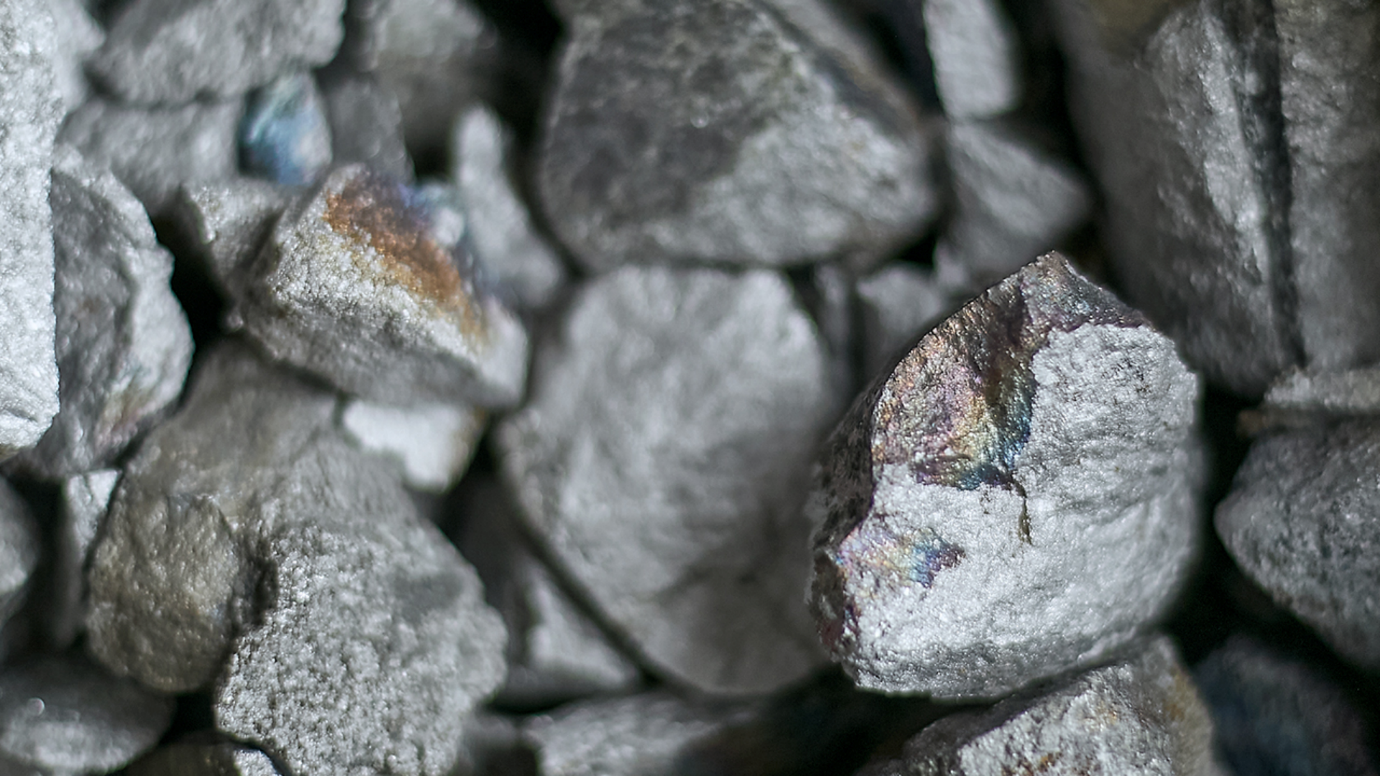
SeAH Explained
Why is Molybdenum Crucial?Molybdenum is a premier rare metal distinguished by its exceptional strength and superior thermal resistance. Retaining stable performance under severe conditions of high temperature, intense pressure, and corrosive environments, it is widely utilized across a broad spectrum of advanced industries.
2026-06-19
-
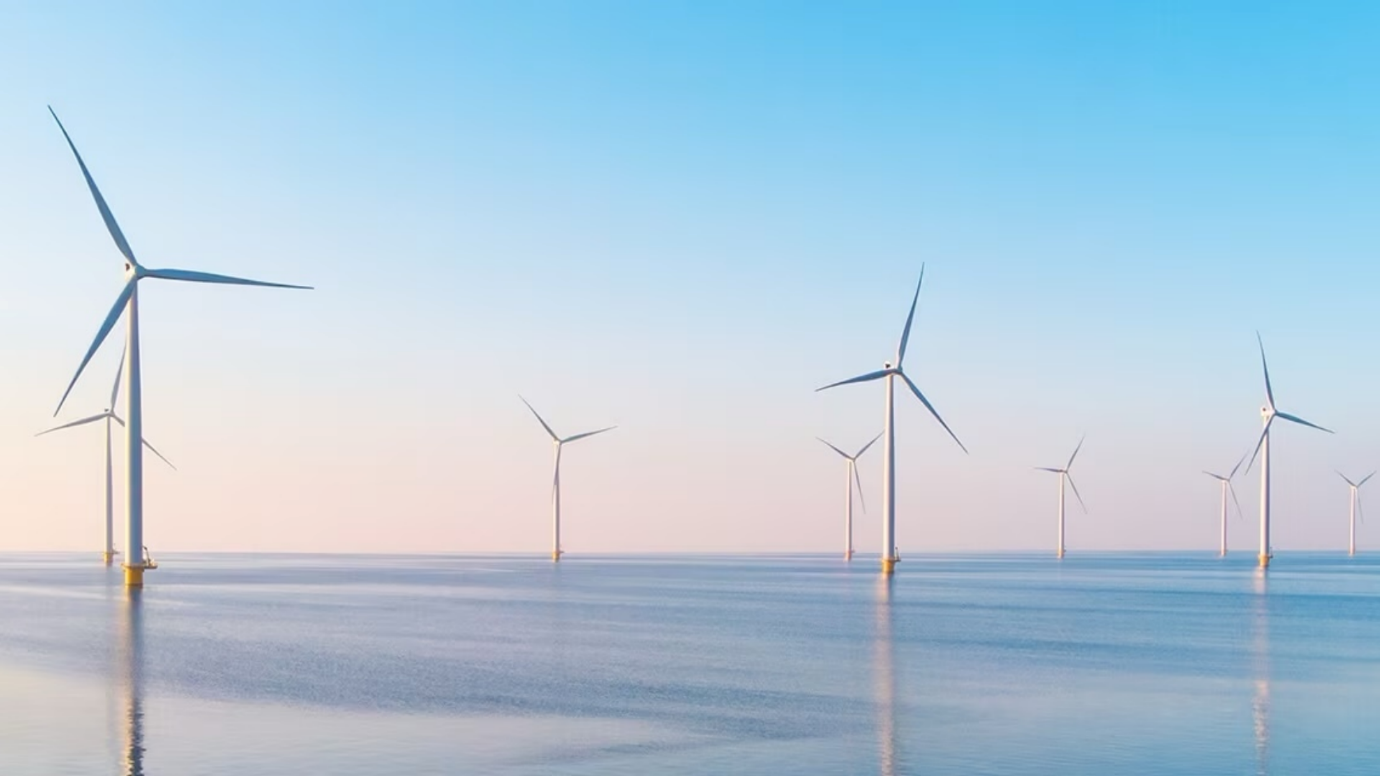
SeAH Explained
What Are Monopiles Made Of?Offshore wind power is an eco-friendly power generation method that converts wind energy into electricity through pinwheel-shaped wind turbines installed at sea. It is growing rapidly as a next-generation renewable energy industry in that it enables the development of large-scale wind farms and can utilize stronger and more consistent winds than onshore wind power, offering higher generation efficiency. Against this backdrop, a core structure has taken center stage to safely anchor these colossal wind turbines in the middle of the ocean: the monopile.
2026-06-18
-
SeAH Explained
What is CCUS?While reducing carbon emissions has become a shared challenge across all industries, completely eliminating carbon is easier said than done. This is particularly true for foundational industries like steel, cement, refining, and chemicals, which inherently generate carbon dioxide during their manufacturing processes.
2026-06-17