
SeAH BLOG
insight 2026-06-17
What is CCUS?A Core Technology for Managing Unavoidable Carbon Emissions
While reducing carbon emissions has become a shared challenge across all industries, completely eliminating carbon is easier said than done. This is particularly true for foundational industries like steel, cement, refining, and chemicals, which inherently generate carbon dioxide during their manufacturing processes.
Faced with the dilemma of how to handle carbon emissions that cannot be realistically reduced at the source, CCUS technology has emerged as an innovative alternative.
What is CCUS?

A Method for Managing Unavoidable Carbon
CCUS stands for carbon capture, utilization, and storage. It refers to a range of technologies designed to capture carbon dioxide, and then either utilize it for new applications or store it safely. Rather than releasing the gas generated by factories or power plants into the atmosphere, this approach captures and processes it separately.
While conventional carbon reduction technologies focus on preventing emissions at the source, CCUS differentiates itself by gathering and managing carbon that has already been generated. Consequently, it is gaining significant attention as the most realistic solution for sectors where completely eliminating carbon emissions is structurally challenging due to the nature of their industrial processes.
The Difference Between CCUS and CCS
When exploring CCUS, it is frequently compared with CCS. While both technologies share the fundamental step of capturing carbon dioxide, they differ clearly in how they handle the captured gas afterward.
CCS focuses primarily on isolating captured carbon dioxide and injecting it deep underground into geological formations for long-term storage. In contrast, CCUS goes a step beyond the storage-centric concept of CCS by adding a utilization phase, where the captured carbon dioxide is recycled into chemical feedstocks, eco-friendly fuels, or reused in other industrial processes.
In short, while CCS centers on the isolation and storage of carbon, CCUS can be viewed as an expanded concept that adds value-driven utilization to the storage foundation.
Why CCUS Technology is Essential
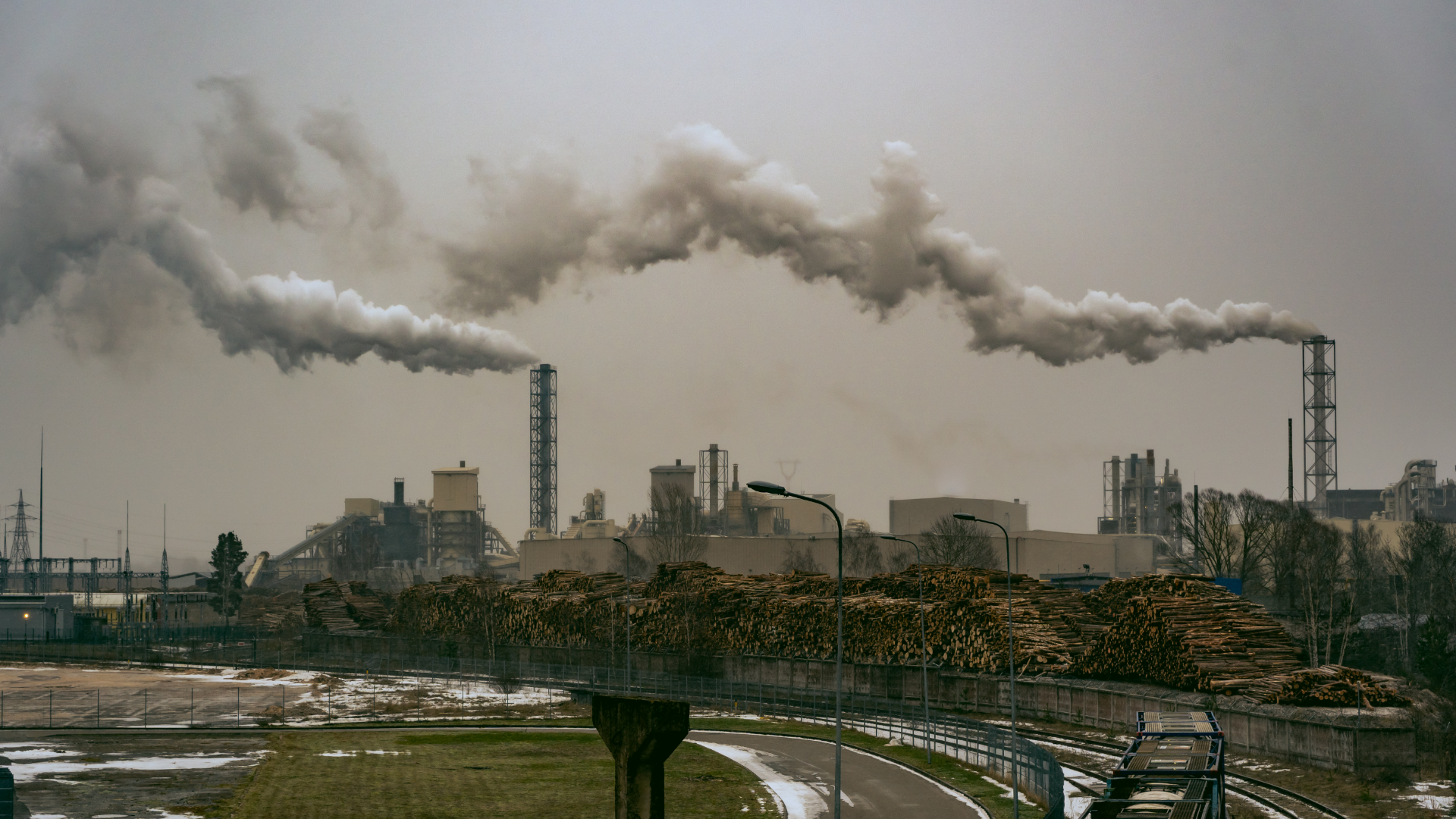
Tightening Regulations and the Pressure to Reduce Carbon
As climate change intensifies, countries around the world are aggressively raising their carbon reduction targets. Major economies, including the European Union (EU), are introducing trade regulations such as the Carbon Border Adjustment Mechanism (CBAM), expanding the pressure to decarbonize across all industrial sectors. Under this regulatory wave, corporations are pursuing diverse strategies, including transitioning to renewable energy and improving energy efficiency.
Why Certain Industrial Processes Cannot Easily Eliminate Carbon
However, not all industries can eliminate carbon solely by switching to renewable energy. Several core foundational industries rely on processes that involve heating raw materials to extreme temperatures or driving specific chemical reactions. In these sectors, the gas is generated naturally by the chemical processes themselves, in addition to the energy consumed to run the production facilities.
Furthermore, because large-scale industrial facilities are built for long-term operation, transitioning an entire production infrastructure to an alternative method in the short term is highly impractical. Given the industrial need to maintain production efficiency and supply stability, CCUS is recognized as the most realistic alternative, allowing companies to reduce carbon while preserving their existing industrial foundations.
Principles of CCUS and the Importance of Infrastructure
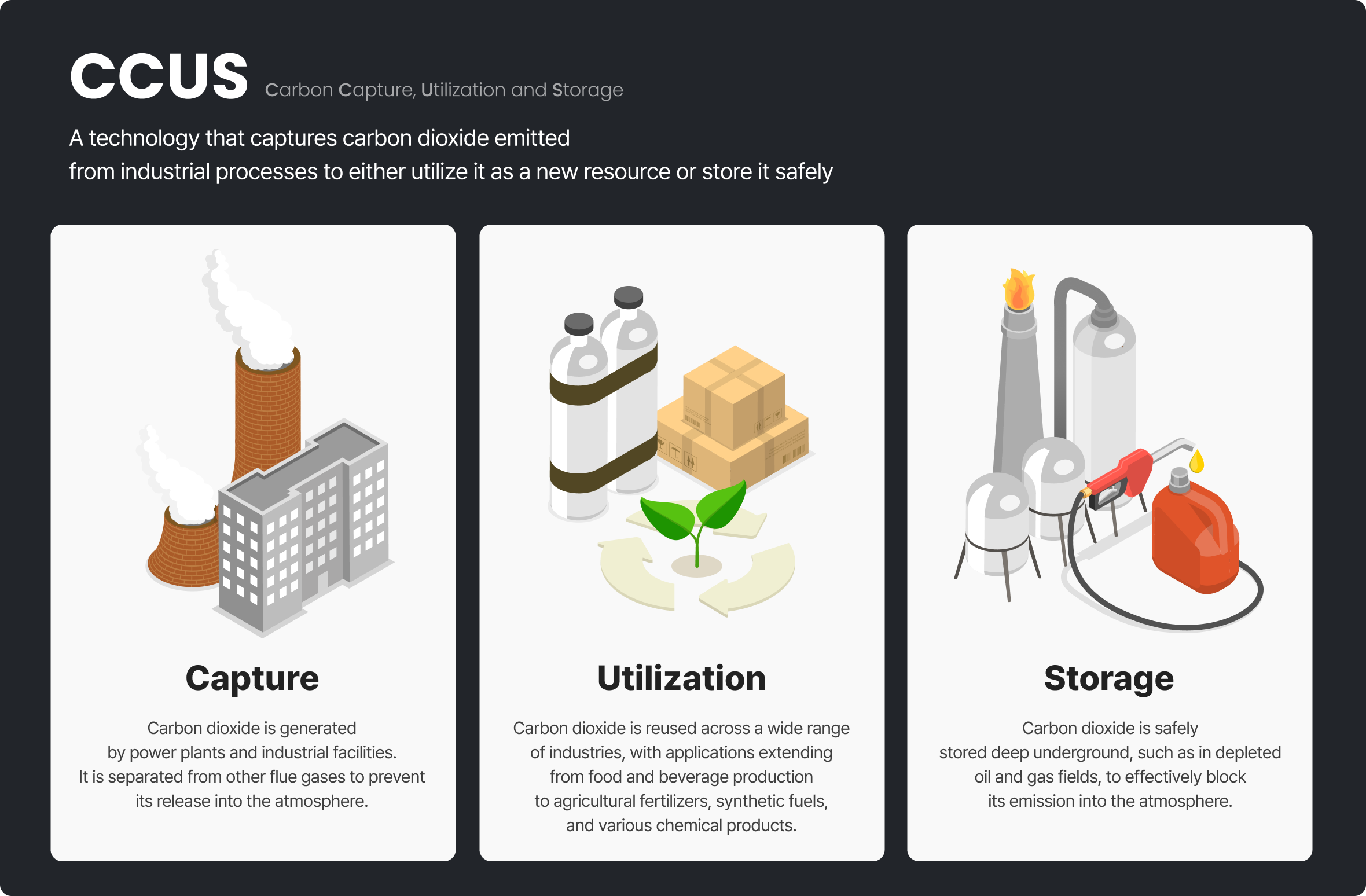
The Carbon Capture Process
The CCUS journey begins with the capture phase, where carbon dioxide is separated and collected. Flue gas emitted from power plants or industrial facilities contains a mixture of various substances; among these, the gas is selectively isolated and captured. It is then compressed and converted into a form suitable for storage or utilization. While technical methods vary, the core technological capability lies in efficiently separating carbon from massive volumes of gas.
The Crucial Role of High-Pressure Transport Infrastructure and Steel Pipe Technology
Once compressed, the captured carbon dioxide travels to storage sites or utilization facilities, making safe transport infrastructure critically important.
Carbon dioxide is frequently transported at pressures significantly higher than normal atmospheric levels. During long-distance transport, maintaining a stable high-pressure environment is essential, and risks such as internal corrosion and leakage must be rigorously managed. This is precisely why high-quality steel pipes designed for energy transport, offering long-term stability and exceptional durability, are required rather than standard piping. Carbon transported through these secure channels is either isolated long-term in storage repositories or recycled as a raw material for eco-friendly circular products.
CCUS in Action: Current Use Cases
Application in Power Plants and Industrial Sites
CCUS is already being deployed across various industrial sites. Active efforts to review and implement large-scale capture facilities are underway, primarily led by high-emitting sectors such as power generation, refining, and chemicals. As regulatory pressures mount, the necessity for major emitters to adopt CCUS continues to grow.
Connecting CCUS with Blue Hydrogen Production
CCUS is also deeply intertwined with the hydrogen industry, a key pillar of future energy. A prime example is blue hydrogen, which is produced from fossil fuels while the carbon dioxide generated during the process is captured and stored using CCUS technology, preventing its release into the atmosphere. As the hydrogen industry expands, the importance of carbon capture and transport technologies rises in tandem.
Limitations and Challenges of CCUS
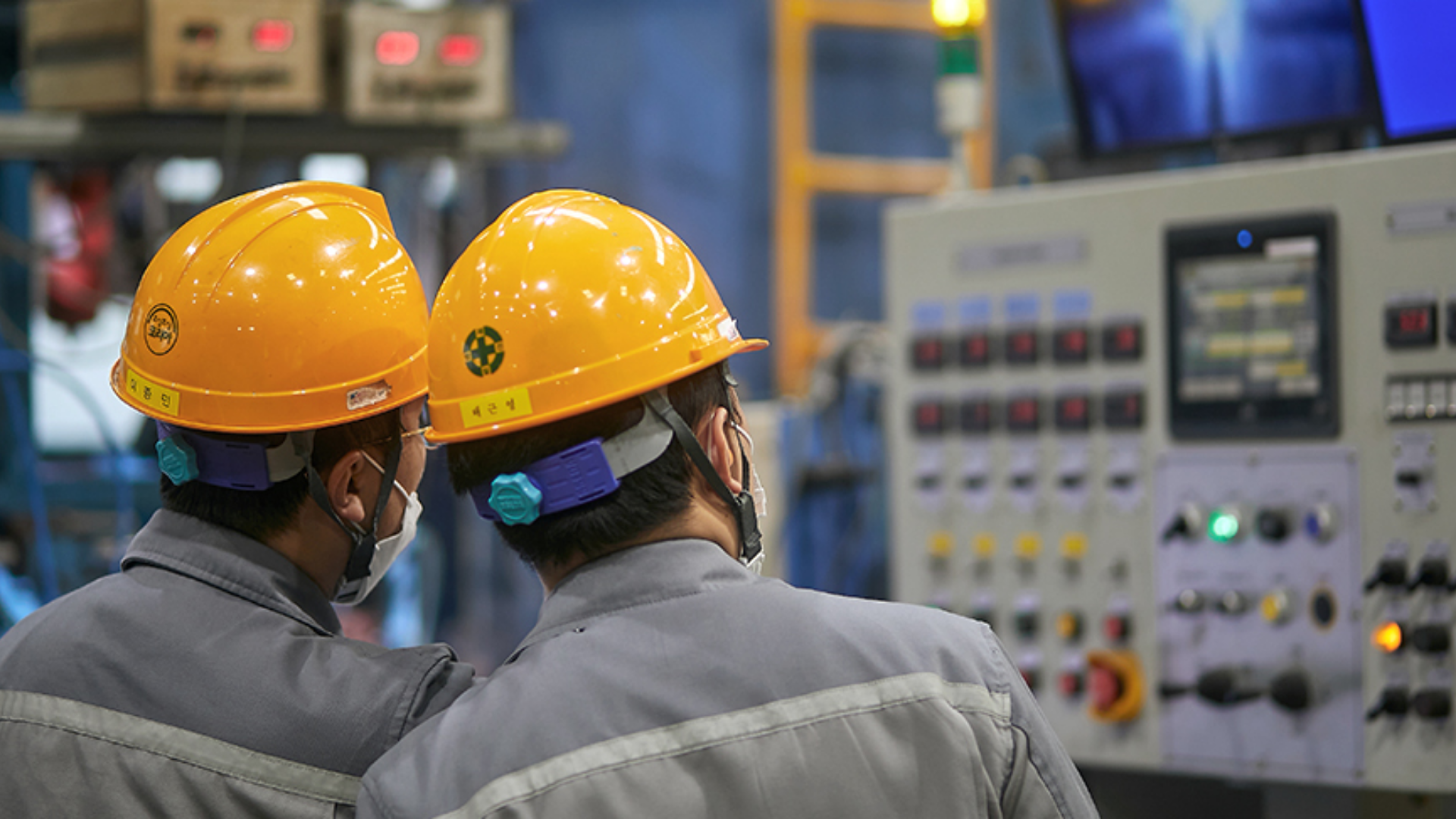
SeAH Steel employees reviewing pipe production operations.
Cost and Economic Viability
CCUS comes with a substantial financial burden as it demands high-level technological capabilities. This stems from the need for large-scale capital investment across every stage of the value chain: capturing, compressing, transporting, and storing carbon dioxide. Furthermore, the capture process itself consumes a significant amount of energy, making the reduction of initial operational costs a key hurdle to clear.
Storage Stability and Technical Risks
Ensuring the long-term, stable storage of captured carbon dioxide is another vital challenge. Since the gas is transported and stored under high pressure, leakage risks must be minimized, and the infrastructure's durability must be sustained for decades. As this domain requires long-term management rather than short-term operation, securing system-wide reliability and rigorous quality control is paramount.
Integrating Infrastructure and Policy
Developing a CCUS supply chain is difficult for individual companies to achieve alone. It requires seamless connectivity across capture facilities, transport pipelines, large-scale storage sites, and certification frameworks. Moreover, carbon transport infrastructure demands massive investments and can only expand effectively when backed by national-level policy support and institutional growth.
Why the World is Still Betting on CCUS
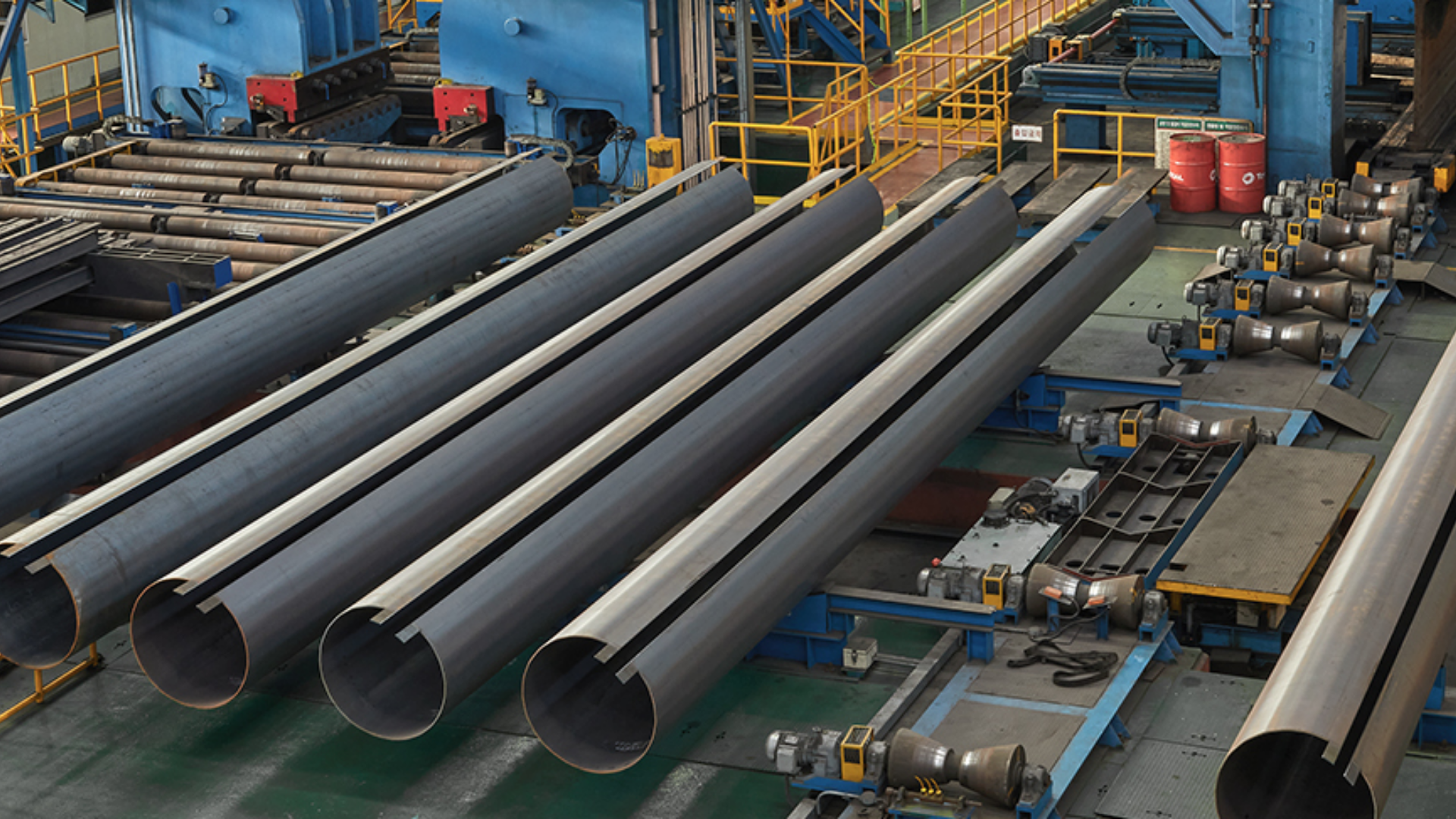
Carbon Steel Pipes Manufactured by SeAH Steel
A Realistic Alternative for Hard-to-Abate Industrial Emissions
While the expansion of renewable energy and the global energy transition are progressing rapidly, not all foundational manufacturing sectors can eliminate their carbon emissions overnight.
Therefore, industrial fields inevitably require technologies that can handle unavoidable, residual carbon after it is generated, moving beyond solutions that merely reduce carbon emissions themselves. CCUS is recognized as the most definitive and practical alternative to complement the limitations of current industries at this very juncture.
A Solution that Preserves Existing Industrial Structures
For manufacturing sectors where a rapid overhaul of large-scale facilities is impractical, CCUS offers immense value by enabling effective carbon reduction while keeping current production structures and factory foundations intact. It serves as a vital buffer, minimizing the economic shock that industries might face during an abrupt energy transition.
Furthermore, CCUS is highly meaningful because it leverages traditional infrastructure tied to the existing energy industry. The entire process of compressing, transporting, and storing captured carbon dioxide demands advanced energy infrastructure capabilities that can reliably withstand high-pressure environments.
Recently, the energy market has been rapidly evolving into an integrated energy supply network where LNG, hydrogen, and CCUS are organically interconnected. Accordingly, infrastructure technologies that can safely transport high-pressure gas and carbon without leakage are becoming increasingly vital. Aligned with this global shift in the energy paradigm, SeAH Steel is continuously advancing its existing steel pipe technologies for LNG and hydrogen transport. Simultaneously, the company is expanding its portfolio around high-value-added steel pipe products essential for future energy infrastructure, including CCUS solutions for carbon storage and capture.
Ultimately, the future of decarbonization must move in a direction where technologies that reduce emissions and CCUS technologies that process generated carbon complement each other. Rather than standing as an isolated technology, CCUS will serve as a core pillar of growth, sharing high-pressure pipeline and storage architectures with future energy transition infrastructures like LNG and hydrogen.
CCUS FAQ

What does CCUS stand for?
CCUS stands for carbon capture, utilization, and storage. It refers to technologies that capture carbon dioxide, and then either utilize it for industrial purposes or store it safely.
How does it differ from CCS?
CCS focuses strictly on storage, permanently isolating captured carbon dioxide deep underground. CCUS is an expanded concept that includes not only storage but also utilization, where the captured gas is reprocessed into chemical raw materials, fuels, or other products.
What is the most critical factor for the widespread adoption of CCUS?
Along with advanced capture technologies to reliably collect massive amounts of carbon dioxide, it is crucial to establish a transport pipeline infrastructure that can safely move the gas to storage or utilization sites under high pressure. This must be strongly supported by government policy and institutional backing.
List