
SeAH BLOG
insight 2026-06-19
Why is Molybdenum Crucial?A Rare Metal Sustaining Modern Industry
The Hidden Orchestrator of Advanced Industries
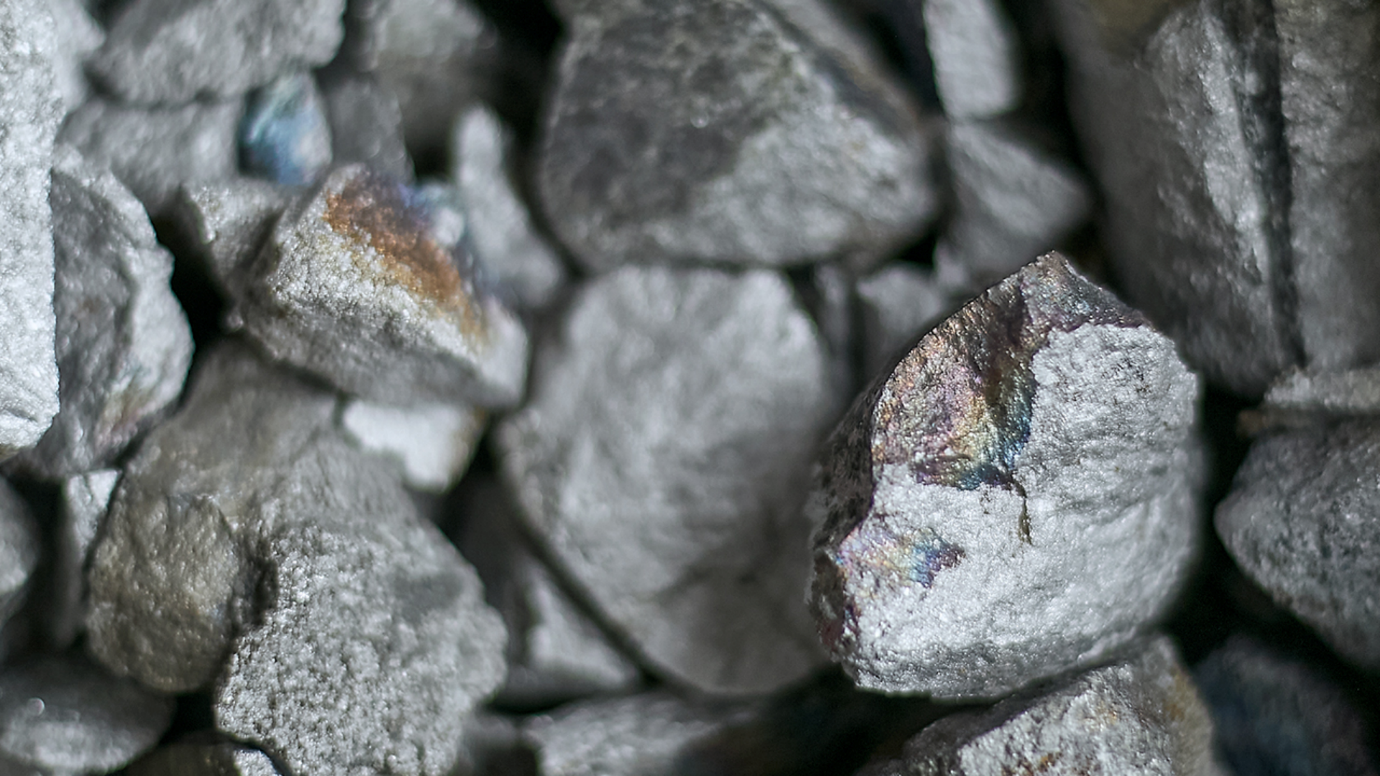
A Rare Metal Built for Extreme Environments
Molybdenum is a premier rare metal distinguished by its exceptional strength and superior thermal resistance. Retaining stable performance under severe conditions of high temperature, intense pressure, and corrosive environments, it is widely utilized across a broad spectrum of advanced industries. In sectors where high durability and safety are paramount, such as steelmaking, electronics, and energy infrastructure, the performance of the foundational material itself is critical. Molybdenum is recognized as a core industrial material for the modern era because it preserves its structural integrity even in these punishing environments.
Symbol Mo: Definition and Discovery of Molybdenum
Molybdenum holds the chemical symbol Mo and atomic number 42. It is a metallic element characterized by a silvery-white lustrous sheen and an extraordinarily high melting point. Its existence came to light in the late 18th century when Swedish chemist Carl Wilhelm Scheele isolated molybdenum compounds. Subsequent advancements in metal extraction technologies paved the way for its full-scale integration into various industrial fields.
The Scarcity Value That Sets It Apart From Base Metals
Molybdenum is classified as a rare metal due to its limited global reserves and highly concentrated production geography compared to base metals. In contrast, the reliance on molybdenum within high-tech industries is steadily rising, turning the securement of a stable supply chain into a pressing national priority. As the semiconductor and green energy industries experience exponential growth, the competition to secure strategic minerals is intensifying. In this landscape, molybdenum has transcended its status as a mere raw commodity to emerge as a strategic resource directly linked to national industrial competitiveness.
The Three Defining Traits of Molybdenum
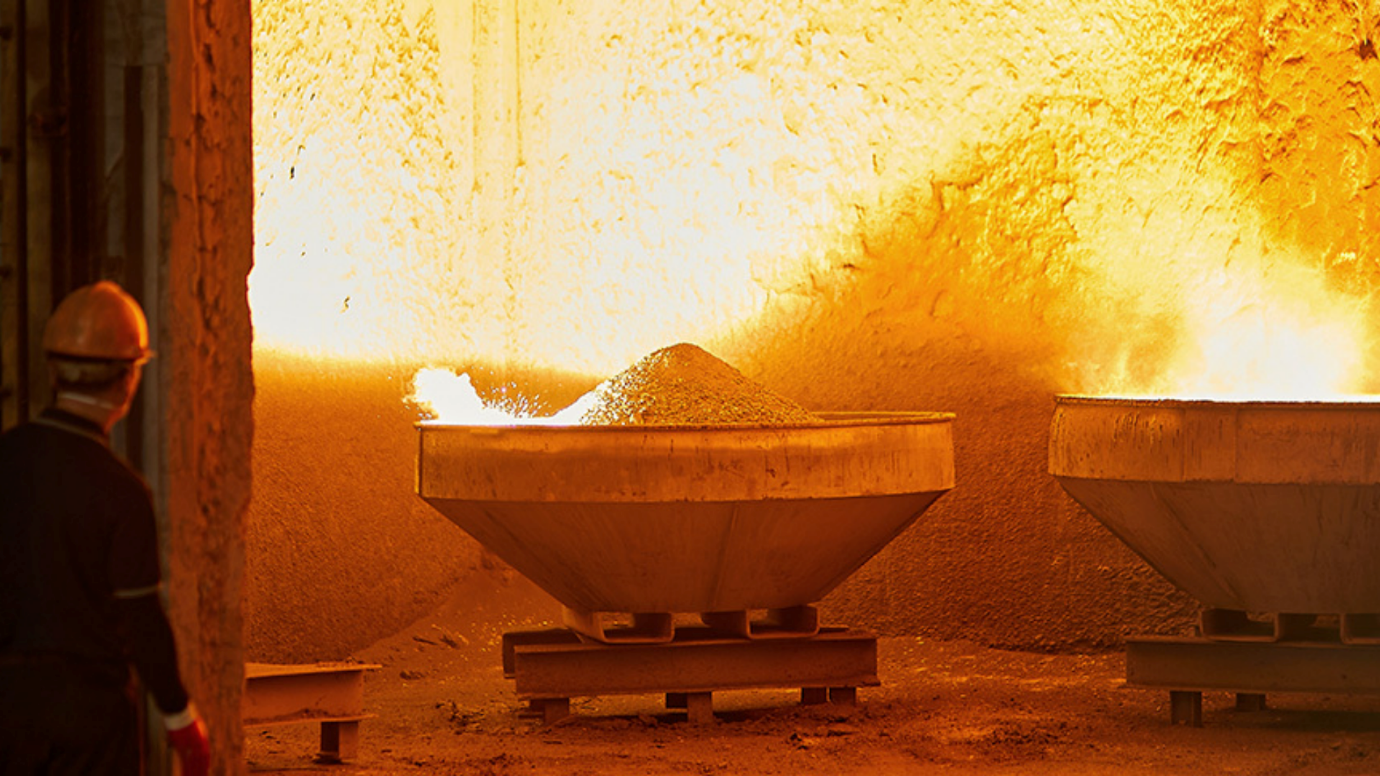
A SeAH M&S employee processing molybdenum
Extraordinary Melting Point and Thermal Resistance to Withstand Ultra-High Temperatures
An exceptionally high melting point of approximately 2,623 degrees Celsius is the most prominent characteristic of molybdenum. This threshold is vastly superior to that of standard industrial metals, offering the powerful advantage of maintaining physical properties without degradation even in ultra-high-temperature environments. Due to these attributes, molybdenum serves as an indispensable asset in industrial setups with recurring thermal processes or infrastructure where thermal stability is critical.
Alloying Effects That Maximize Steel Strength and Corrosion Resistance
Molybdenum is a quintessential alloying element that radically enhances the strength, corrosion resistance, and thermal tolerance of steel. Particularly in the fields of specialty steel and stainless steel exposed to high-temperature and high-pressure environments, alloying with molybdenum is essential to ensure stable material performance. This drastically minimizes the risks of structural deformation and corrosion that can develop over long-term operations.
Exceptional Structural Stability Under Extreme Conditions
Resistant to structural distortion under intense heat and pressure, molybdenum maintains its physical properties and form even when subjected to cyclic thermal fluctuations and external impacts. Furthermore, it undergoes minimal strength degradation at elevated temperatures, making it highly advantageous for preserving structural integrity during prolonged operational cycles.
An Essential Resource for High-Tech Industries
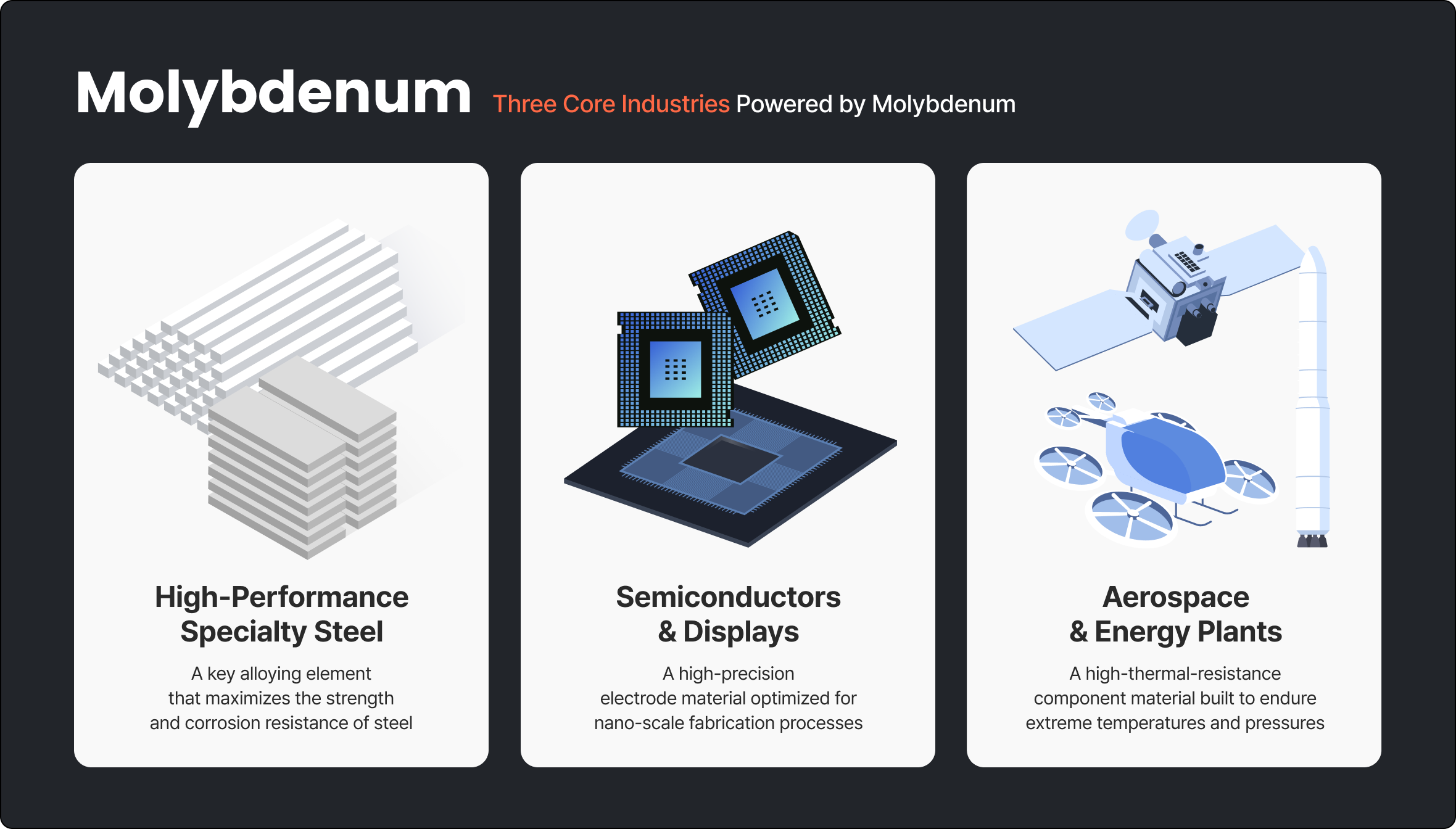
A Staple in High-Performance Steel and Specialty Steel Industries
Molybdenum serves as a vital alloying element in the production of high-strength steel and specialty steel. In infrastructure exposed to prolonged pressure and corrosive environments, such as power generation facilities, plant piping, and offshore structures, material reliability translates directly into operational safety. Because molybdenum reinforces the structural stability of steel and mitigates performance degradation at high temperatures, it commands a very high share of utilization in the specialty and stainless steel sectors.
The Core of Fine Fabrication in Electronics
In the semiconductor and display industries, securing material precision and thermal stability becomes increasingly critical as fabrication features shrink. Molybdenum exhibits minimal property changes at high temperatures and possesses excellent electrical conductivity, making it a pivotal choice for electrode materials and thin-film deposition processes. Especially in microfabrication, where even minute material deviations lead to defects, maintaining uniform quality is imperative.
Driving Advancement in Aerospace, Energy, and Industrial Plant Infrastructure
Aerospace and energy are prime examples of industries that must repeatedly endure extreme temperatures and pressures. As aerospace engine components, power generation facilities, and high-temperature plant equipment face prolonged exposure to harsh environments, managing material fatigue is critical. Due to its minimal variance in physical properties under extreme heat, molybdenum is widely utilized as a material for highly heat-resistant components and high-functioning industrial equipment.
The Challenges of Molybdenum Processing and the Vital Role of Technology
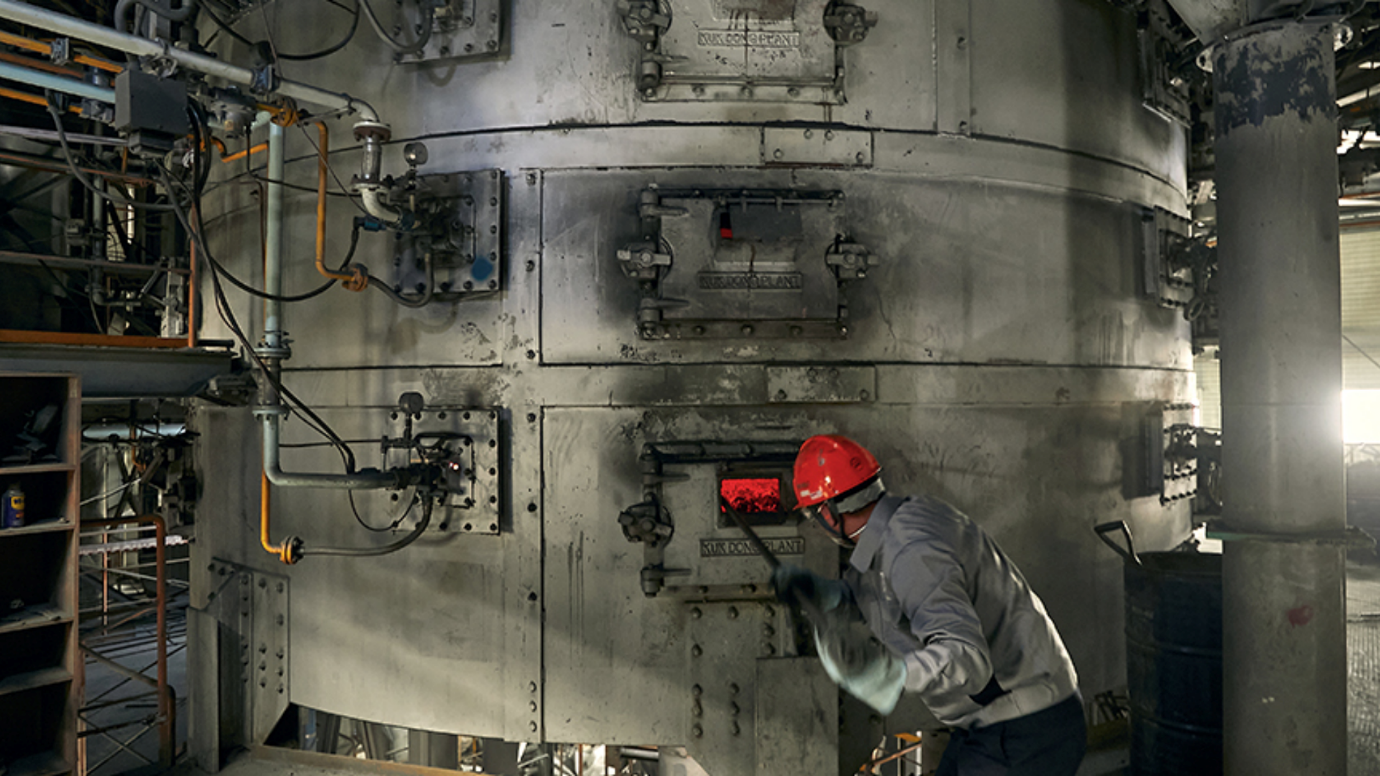
A SeAH M&S employee processing molybdenum
High Processing Difficulty Hidden Behind Superior Specifications
Despite its outstanding strength and heat resistance, molybdenum is notorious for its extremely high processing difficulty. While it remains highly stable at elevated temperatures, it is prone to cracking or fracturing under strong impacts at room temperature, making precise control over processing conditions paramount. Due to these unique material characteristics, its heat treatment and forming processes demand the highest caliber of technical expertise.
Manufacturing Processes Demanding Nano-Scale Precision Control
In the semiconductor and electronics components industries, micro- or nano-scale errors can inflict fatal damage on product performance. Therefore, handling molybdenum requires manufacturing process technologies capable of fine-tuning controls down to the microscopic level. Especially in the fields of thin films and precision components, the capability to secure uniform quality and stable process control serves as a primary benchmark for evaluating material suppliers.
Beyond Simple Extraction: Processing Tech as the Ultimate Competitive Edge
In rare metal industries like molybdenum, securing the raw material alone is insufficient to build a competitive advantage. In actual industrial environments, the decisive competitive factors hinge on how reliably the material can be processed and whether it can be supplied according to the customized specifications requested by clients. In short, mastering precision processing technology and ensuring quality consistency constitute a company's intrinsic competitiveness.
The Global Rare Metals Market and SeAH M&S’ Competitiveness

Korea’s Unrivaled No. 1 Molybdenum Processing and Production Capability
SeAH M&S has secured unrivaled leadership in the molybdenum processing and production sector within Korea. Raw molybdenum extracted from mines cannot be directly deployed into industrial settings in its natural state. It requires advanced technology to refine and process the mineral into optimal forms requested by clients, such as oxides, powders, and ferromolybdenum. Leveraging decades of know-how and precision production lines, SeAH M&S manufactures high-quality molybdenum product portfolios, firmly anchoring the nation's industrial material supply chain.
A Material Supply System Tailored for the Global Market
The quality standards required for molybdenum materials vary greatly depending on the downstream industries and the specific process conditions of global clients. In the steel industry, stable composition management as an alloying element is mandatory, while the semiconductor field demands extreme purity and precision to align with microfabrication features. In the energy and plant sectors, material reliability that preserves performance under high-temperature and high-pressure conditions is critical. With a strong focus on the steel and plant industries, SeAH M&S has established a comprehensive molybdenum supply system capable of catering to diverse standards and applications based on buyer demands, thereby elevating its global competitiveness.
Stabilizing Supply Chains and Leading the Localization of Rare Metals
In the rare metals market, a resilient supply chain capable of stably sourcing and processing materials is of paramount importance. Since molybdenum is utilized extensively across high-tech and energy industries, an over-reliance on a specific country or a handful of suppliers can jeopardize the operational stability of entire industrial ecosystems. Securing a stable domestic supply base is especially critical for foundational national industries such as semiconductors, specialty steel, and energy facilities. Powered by its robust domestic processing and production capabilities, SeAH M&S is driving both supply chain stabilization and the localization of rare metal materials, serving as a catalyst that strengthens the manufacturing competitiveness of Korea's advanced industries.
The Escalating Future Value of Molybdenum

Demand Explosion Fueled by Green Energy and High-Tech Expansion
As green energy and advanced technologies gain critical prominence, the demand for high-performance metallic materials is rising exponentially. Notably, future eco-friendly energy sectors, such as wind, nuclear, and hydrogen plants, are driving a sharp spike in demand for specialty steel capable of enduring high-temperature and high-pressure environments. Furthermore, as semiconductor fabrication features continue to shrink, the scope of high-quality molybdenum applications is broadening. In the semiconductor industry, where high thermal stability and rigorous quality control are vital, molybdenum has cemented itself as a core material backing process stability, and its value across all future advanced industries is set to climb even higher.
Rising Status as a Strategic Mineral Amid Global Supply Chain Realignment
With major global powers recently betting their fortunes on restructuring supply chains around their own borders and securing strategic minerals, the value of molybdenum—which features high geographic concentration—is soaring. Any disruption in its supply could deal a direct blow to core national industries, including steel and semiconductors. As the transition to green energy and high-tech rivalry accelerates, the value of technological self-reliance—which goes beyond merely acquiring raw materials to securing proprietary precision processing technology and a robust domestic supply chain—will be appraised at an even higher premium in the future global market.
Molybdenum FAQ

What is molybdenum?
It is a rare metal with the chemical symbol Mo and atomic number 42. Characterized by an extremely high melting point (approx. 2,623 degrees Celsius), exceptional thermal resistance, strength, and corrosion resistance, it is a core strategic material utilized across all advanced industries.
Where is molybdenum used?
It is primarily used as an alloying element for high-performance specialty steel and stainless steel. It is also widely deployed across various high-value-added industries, including electrode materials for semiconductor and display microfabrication, aerospace components, and green energy plant infrastructure.
What are the key properties of molybdenum?
Its defining trait is powerful thermal stability, which prevents its physical properties from altering even under extreme high-temperature environments. Furthermore, when alloyed with other metals, it exponentially upgrades the material's strength and corrosion resistance, boasting outstanding structural stability that resists deformation even under recurring external impacts.
Why is molybdenum difficult to process?
While it possesses excellent high-temperature thermal resistance, it has a vulnerability where it can easily crack or fracture under sharp impacts at room temperature. Therefore, advanced manufacturing and processing technologies capable of rigorous temperature control and nano-scale quality management are absolutely essential.
List