
-
Newsroom 1

A Voice Echoing at the Edge of Power,
Turning Toward Humanity2026 SeAH Woon Hyung Lee Foundation Concert
A Voice Echoing at the Edge of Power, Turning Toward Humanity
2026 SeAH Woon Hyung Lee Foundation Concert
On March 6, as light sleet fell, marking the end of winter, the Seoul Arts Center Concert Hall filled with powerful, emotional music. The evening’s featured work was Roberto Devereux by Gaetano Donizetti, widely known as one of the finest examples of the Bel Canto style. More than just a historical drama, the opera explores the human emotions of people caught within systems of power, earning warm applause from the audience. Once again, the SeAH Woon Hyung Lee Foundation presented a work that is not often experienced in everyday life, opening the way to a deeper and more meaningful world of art.
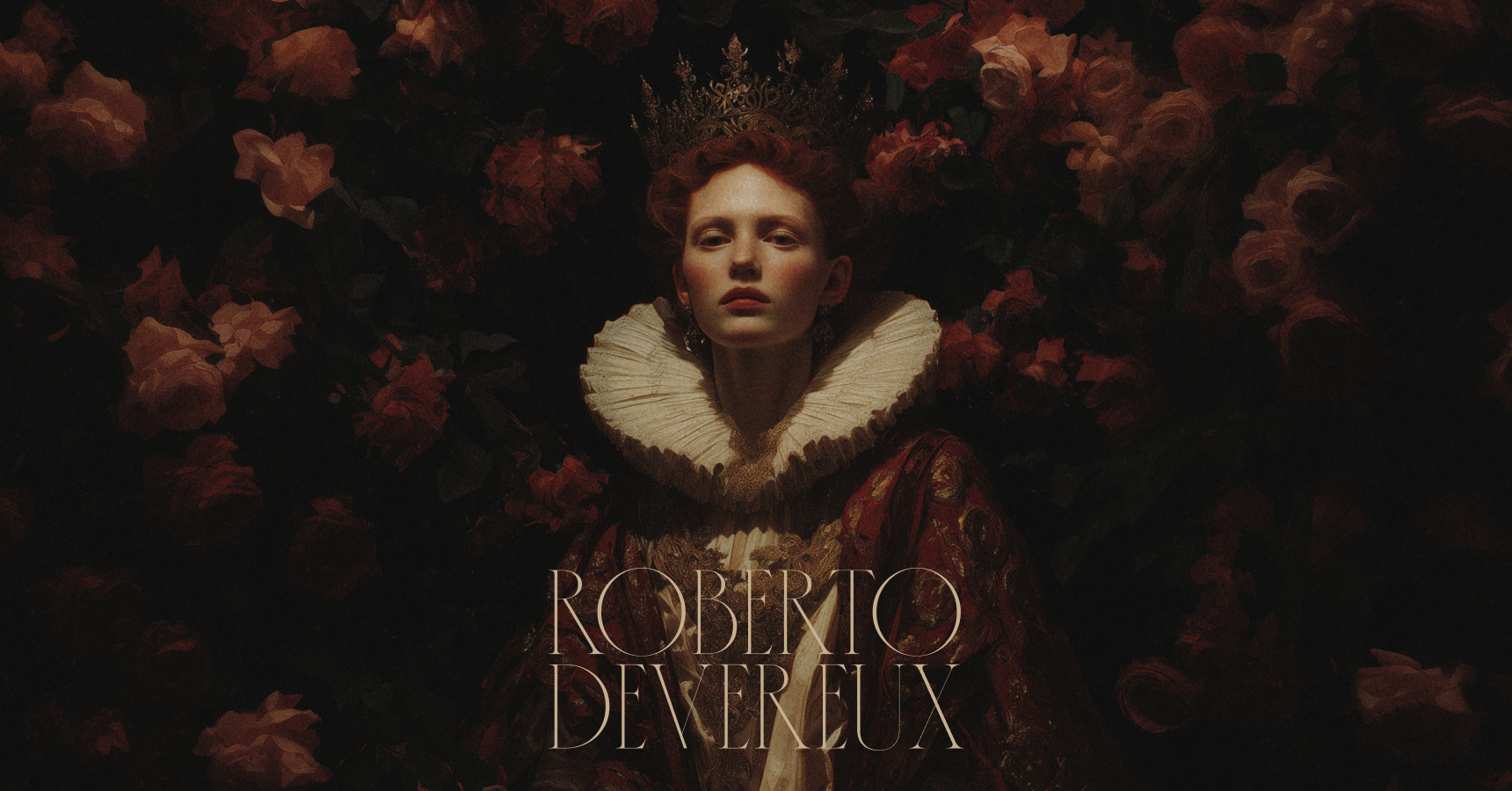
Tragedy as a Structure Beyond Personal Emotion
Since 2015, the SeAH Woon Hyung Lee Foundation Concert has presented a carefully selected work each year. This time, the featured piece was Roberto Devereux. Often described as a story of love and betrayal, Roberto Devereux unfolds on a much more complex level. The relationships between Queen Elizabeth I, Robert Devereux, the Duke of Nottingham, and Sara go beyond a simple love triangle. Within this four-way structure, where each character’s emotions intersect, feelings no longer remain personal. Love becomes not a choice, but a political decision. Suspicion shifts from an emotion into a function of power. To love someone is, at the same time, to begin doubting them—and that doubt ultimately becomes the basis for judgment and punishment. In this way, the opera does not simply follow the flow of emotions, but shows how those emotions are shaped and reshaped by power. In the later part of the piece, the music moves away from explaining events and instead turns inward, exploring the inner world of the characters. The melodies grow more restrained, while the tension builds quietly from within. And in the final moment, when the queen lays down her crown, it is no longer just a historical scene, but a quiet collapse of the weight she has carried as a human being. For a brief moment, the audience holds its breath, moving together through that narrow and fragile space.
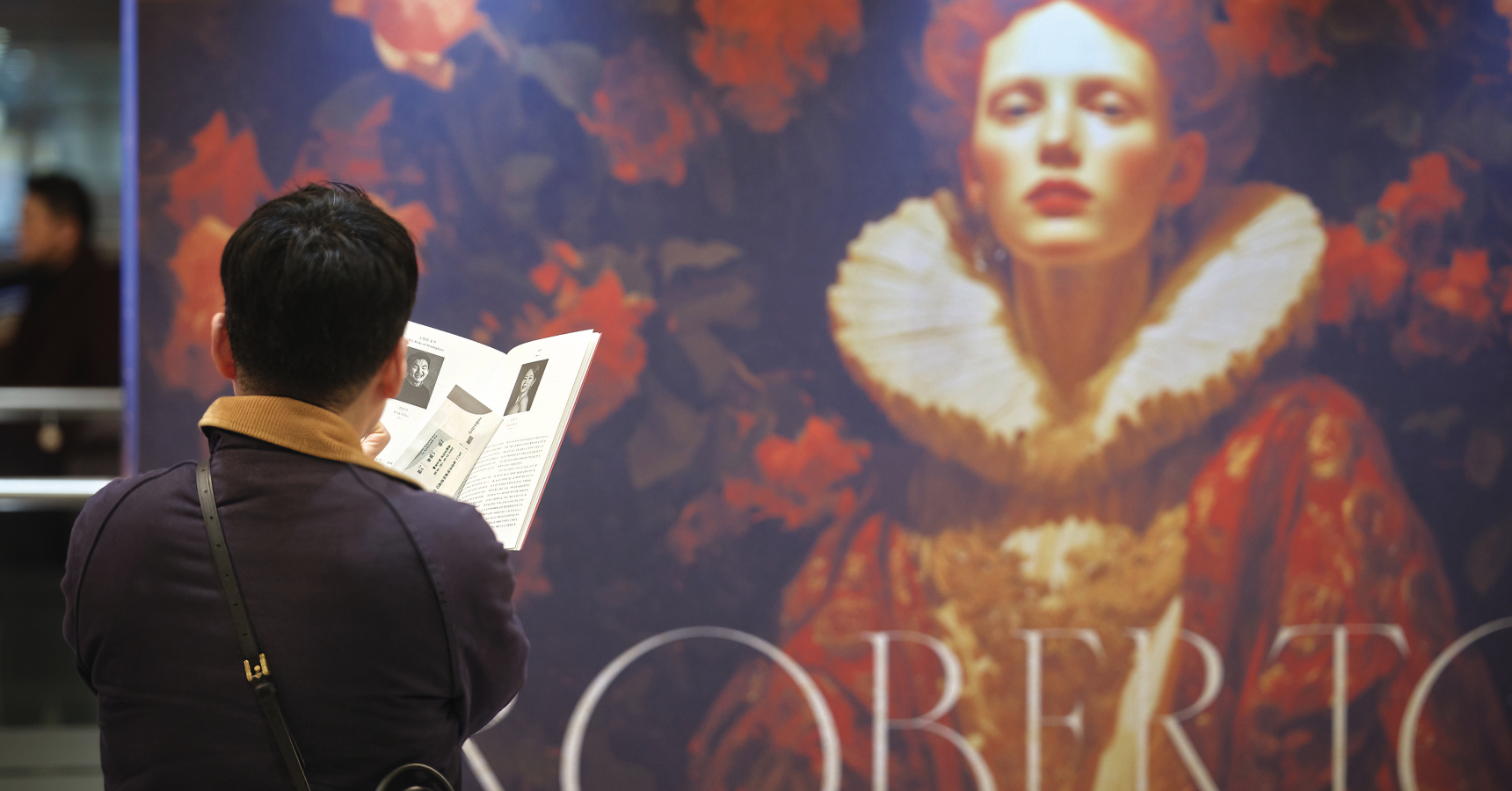
The Profound Resonance Shaped by Time
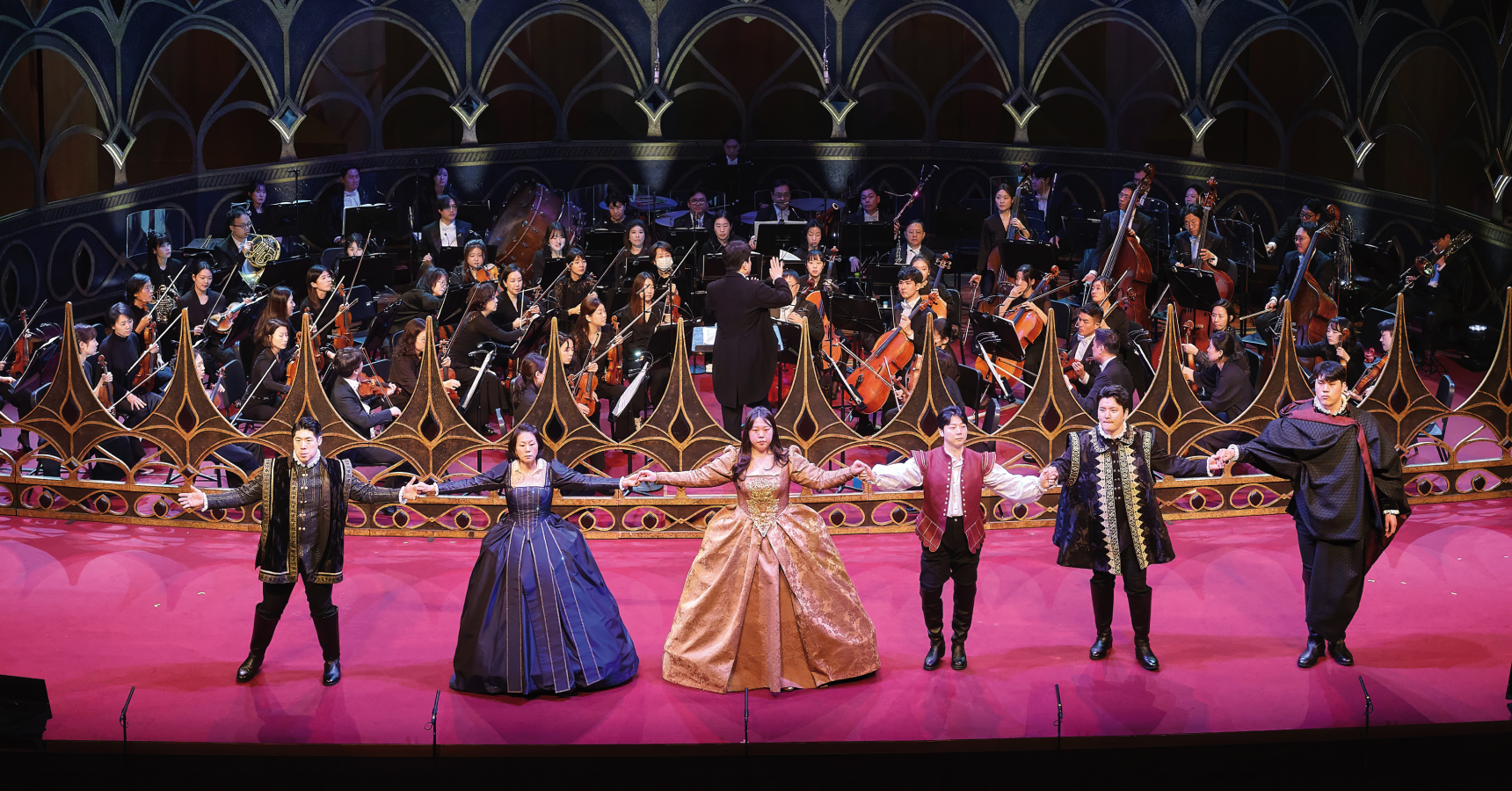
One of the most striking aspects of this performance was the role of time in creating such a seamless harmony. Vocalists who have long been supported by the SeAH Woon Hyung Lee Foundation came together on one stage, layering voices shaped by their own years of experience to create a deep and lasting resonance. This moment reflected more than a simple collaboration, but how the foundation’s sustained support for the arts has come to fruition in a single performance. Under the baton of conductor David Yi, and featuring soprano Ji-eun Choi, tenor Beom-jin Kim, and baritone In-sik Choi, the performance brought together artists who have grown on international stages with the foundation’s support. Reunited for this production, they achieved an even stronger sense of unity. Each artist brought a different set of experiences, and the time they have accumulated over the years came together naturally within the music, which added greater depth and richness to the work.
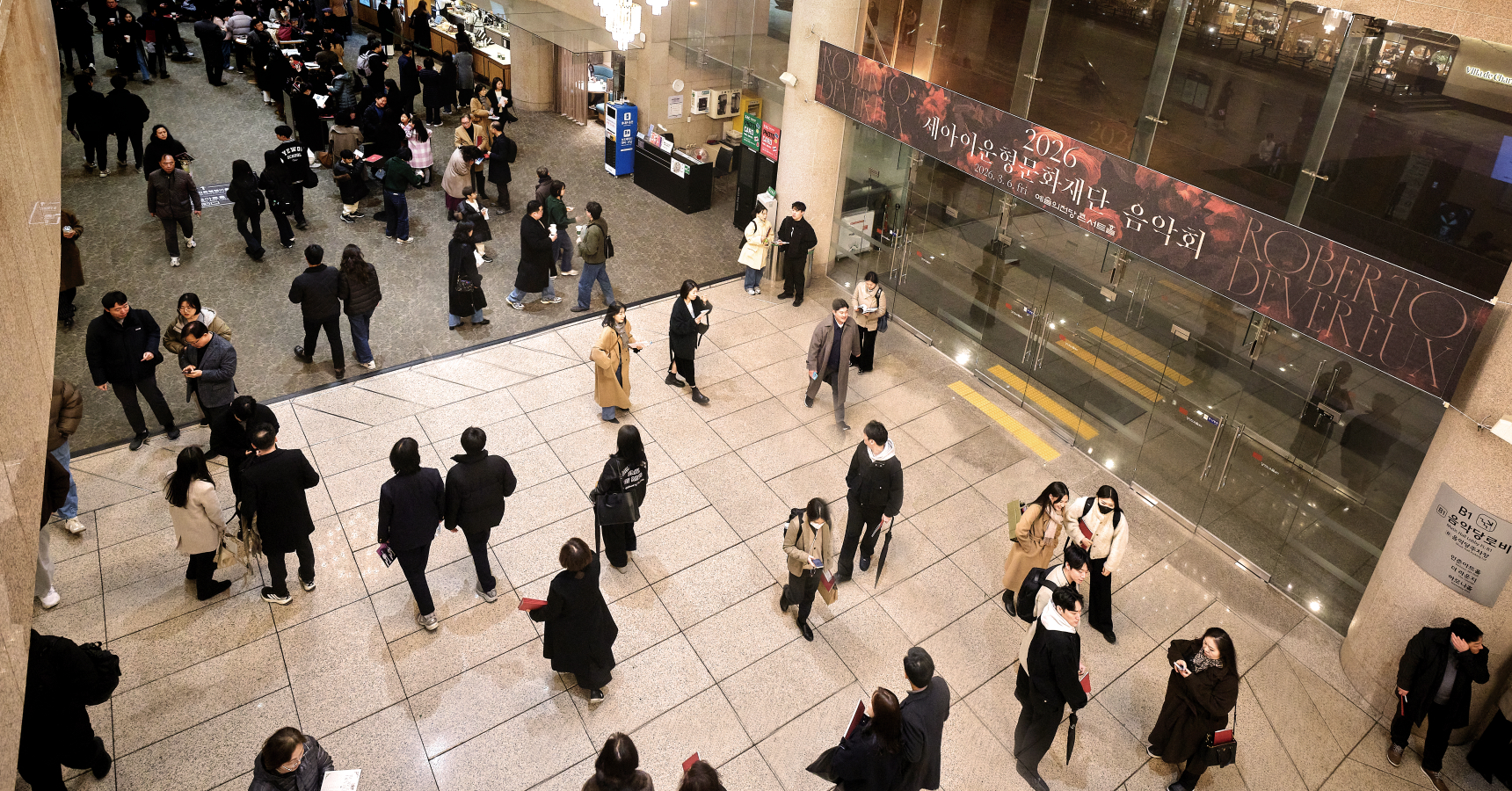
Tenor Beom-jin Kim’s Roberto moved between lyricism and unease, revealing not a fully formed hero, but a man deeply shaken by his circumstances. Soprano Ji-eun Choi, who played Elisabetta, expressed the character’s dual nature with subtle control by balancing the authority of a ruler with a sense of personal solitude. Through her delicate interpretation, she gave voice to the way inner emotions begin to fracture. Baritone In-sik Choi’s Duke of Nottingham conveyed emotional depth not through direct expression, but through carefully sustained tension, grounding the drama at its core. Sara, at the center of these relationships, served as a quiet axis, maintaining tension through silence. The voices heard on stage that evening went beyond technical skill or vocal power. They carried the intensity of emotions long held back, finally rising to the surface. At times, the performance felt less like a direct expression of feeling, and more like an artistic exploration of how long one can endure at the edge of emotional release.
The World of Art Facing Humanity
The SeAH Woon Hyung Lee Foundation was established in 2013 to honor the legacy of the late Chairman / Lee, Woon hyung, who held a deep passion for the arts. Since then, the foundation has supported young vocalists from their early discovery through their growth and onto major stages, taking a long-term approach that goes beyond simple sponsorship to accompany each artist’s journey. This concert was a moment where those accumulated years came together once again within a single work. When vocalists who have each followed their own path meet on stage, the audience experiences harmony at its fullest.
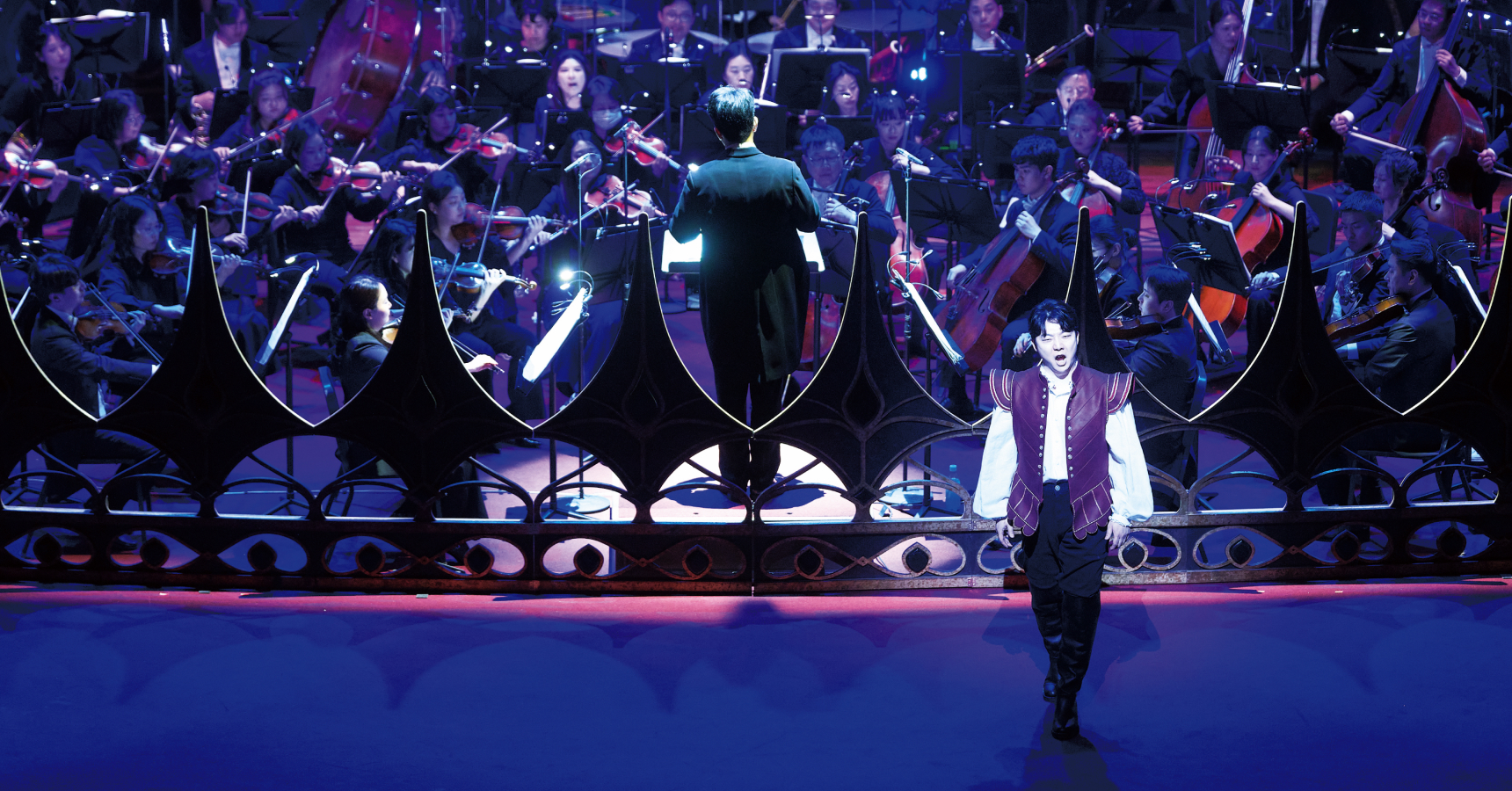
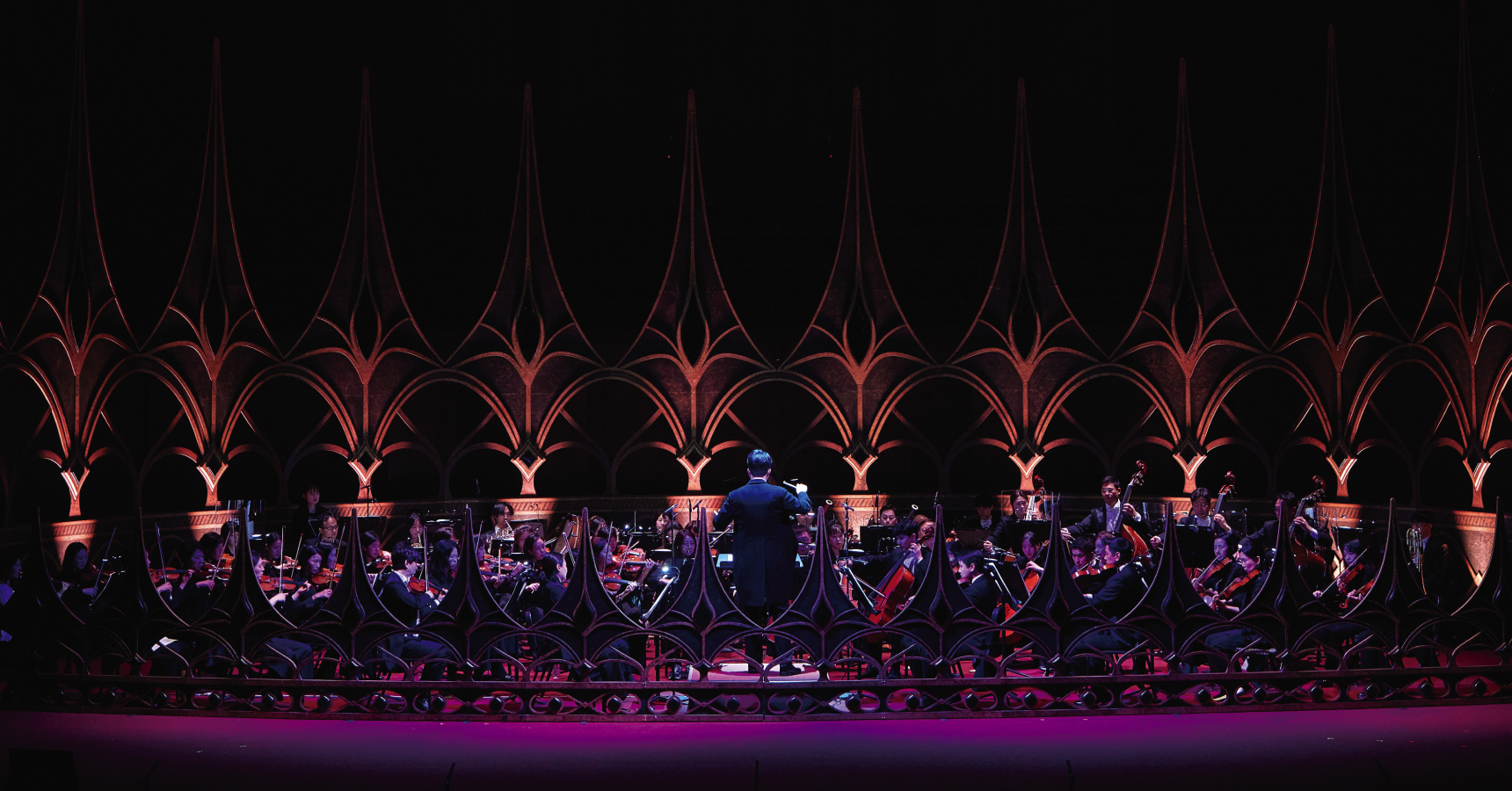
The direction behind the annual repertoire selection is also clear. Rather than relying on familiarity, the foundation chooses works based on artistic value and quality, which further defines the concert’s identity and presence. The Seoul Philharmonic Orchestra played a key role in supporting the structure of the work. Instead of stepping too far forward, the orchestra carefully supported the vocal lines, maintaining the overall musical balance. Conductor David Yi led the performance with precision, avoiding excessive dramatization while carefully balancing melody and tension. As a result, the music guided the direction of each character without overstating emotion. The staging also avoided exaggerated effects or overly descriptive elements. Instead, it built tension through the distance between characters, their lines of sight, and moments of stillness. Roberto Devereux is, in the end, a story about people. Even those at the height of power are not free from love, doubt, choice, and regret—and the work holds onto this truth until the very end. After the performance, many in the audience remained in their seats, unable to leave right away. It was not only the lingering music that held them there, but also the questions the work left behind. What choices do we make in life? And how much of the weight can we truly carry? As the curtain falls, the story turns back to us.
-
04036SeAH Tower, 45, Yanghwa-ro, Mapo-gu, Seoul,
Republic of Korea