
-
SeAH Newsroom 2
A Turning Point Toward the Future Mobility Market
A Turning Point Toward the Future Mobility Market
Expansion of SeAH Special Steel's Second Wonju Plant
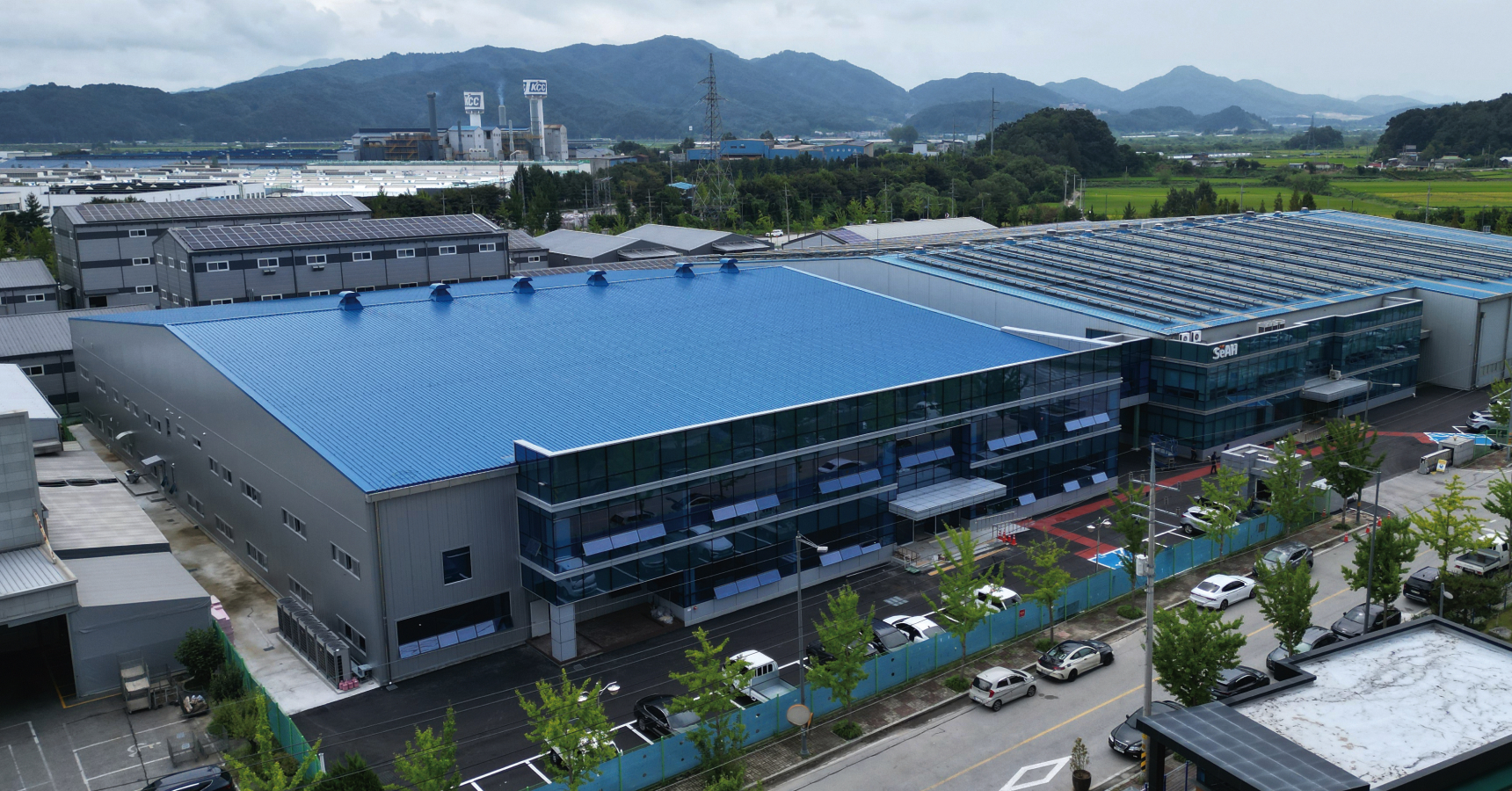
SeAH Special Steel's Wonju Plant is entering a significant turning point. The Wonju Plant built its success on manufacturing rack bars—the core components of automotive steering systems. Now, it is evolving into a high-value steering systems provider while simultaneously expanding its production capacity through the construction of Wonju Plant 2 (Building B). This expansion is not merely an increase in production capacity. It represents a strategic investment aimed at securing new growth drivers for the future mobility market while advancing digital-based manufacturing innovation.
From Rack Bars to RBNA: A Strategic Shift for Sustainable Growth
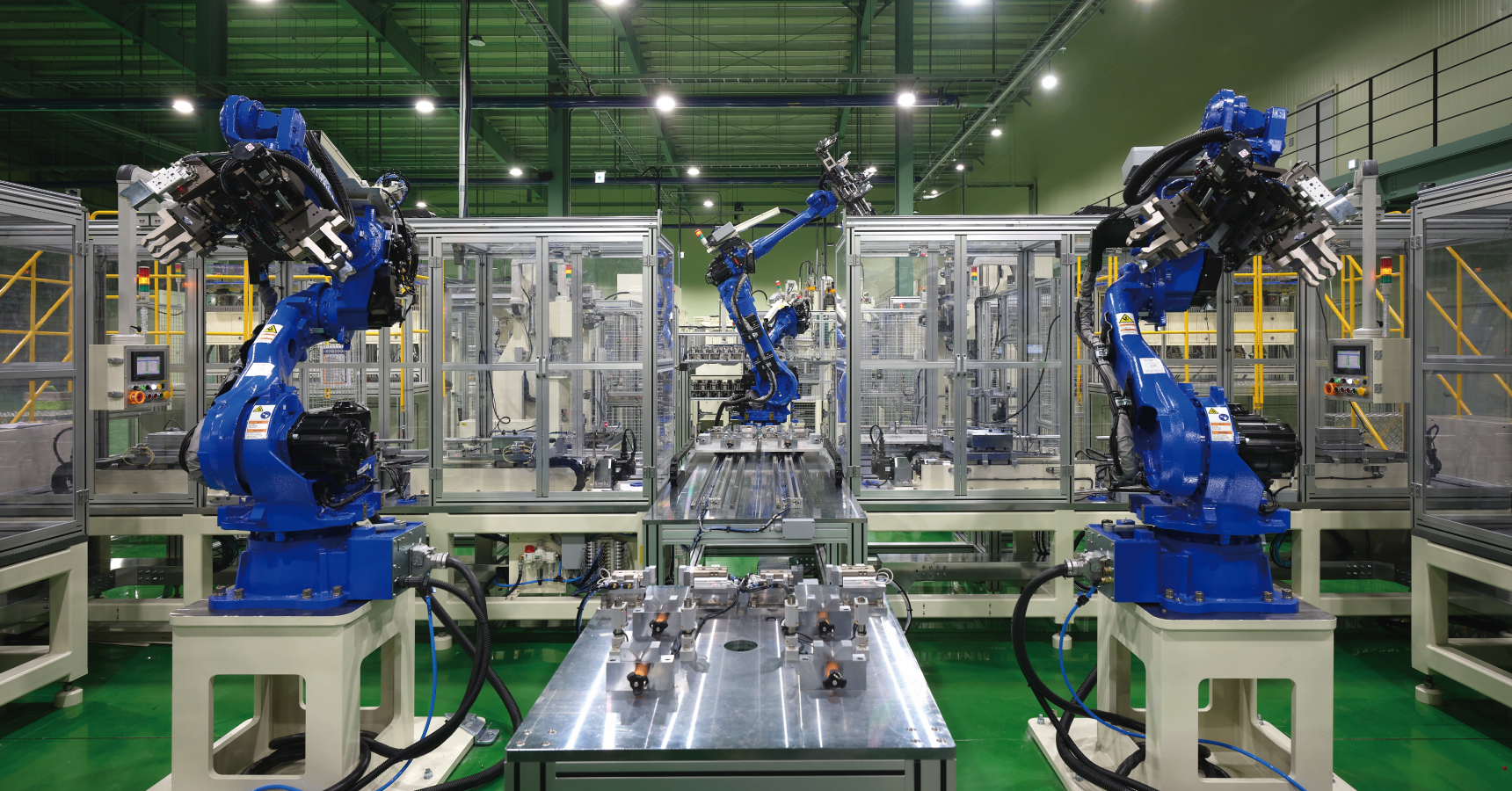
The AT Business Division at SeAH Special Steel's Wonju Plant has specialized in manufacturing automotive components, including rack bars, a core component of steering systems. The division has achieved steady growth through a stable customer base and accumulated processing expertise. However, it has sought new long-term breakthroughs to ensure sustainable growth. In this pursuit, SeAH Special Steel identified a high value-added steering product, namely RBNA (Rack Ball Nut Assembly), which combines its strengths in materials technology with its rack bar processing capabilities.
RBNA is a semi-assembly component that plays a critical role in steering systems and offers higher added value compared to standalone part processing. The system stands out for its high output, rapid response, and quiet operation—all of which are essential for the future of autonomous and electric vehicles.
The global automotive steering system market is experiencing rapid growth. The market size is projected to reach approximately USD 34 billion (KRW 50 trillion) by 2026, with smart steering systems such as RBNA expected to lead this expansion. As electrification and autonomous driving technologies continue to advance, demand for high-precision, high-reliability steering components is increasing significantly. In response to such market changes, SeAH Special Steel made a strategic decision to invest in RBNA.
Currently, SeAH Special Steel's annual RBNA production capacity stands at approximately 500,000 units, with plans to expand to 1 million units in the future. By progressively extending its reach from the domestic market to global markets, the company aims to cultivate RBNA as one of its core business pillars.
Expansion of Wonju Plant 2: Paving the Way for New Business Opportunities
To ensure the stable launch of its RBNA business, SeAH Special Steel proceeded with the expansion of Wonju Plant 2 (Building B) to secure additional production space. The existing facility alone had limitations in accommodating high value-added assembly processes and newly introduced equipment. Through this expansion, the company has concentrated new equipment and processes within the facility while establishing a foundation that allows for flexible response to future production growth.
This expansion represents more than a quantitative increase in capacity, but has served as a turning point that increases the role of the Wonju Plant. Moving beyond a processing-centered production structure, the plant is now accelerating its transformation into a comprehensive components production hub capable of handling assembly processes.
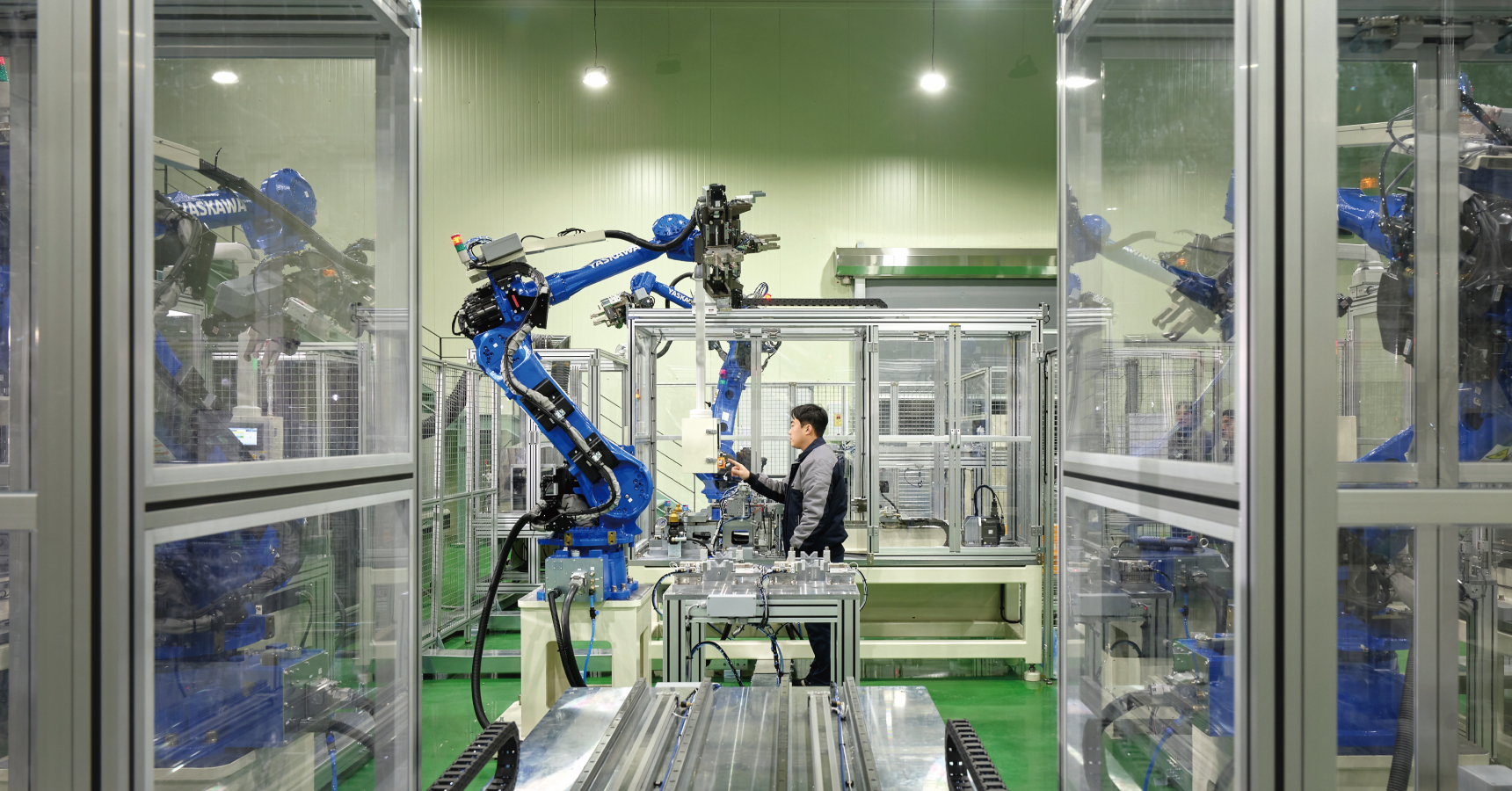
Alongside the expansion, SeAH Special Steel's Wonju Plant has established and expanded a manufacturing equipment monitoring system. To respond flexibly to rapidly changing customer demands, the plant has implemented a real-time monitoring framework based on on-site data.
The system enables real-time monitoring of equipment operation status and causes of downtime within manufacturing processes, automatically records manufacturing conditions, and analyzes operational trends. It also features tool life management alarms which enable immediate on-site response. By detecting early signs of equipment abnormalities, the system strengthens preventive maintenance while enhancing both quality stability and productivity.
Currently in the data collection phase, the system is expected to deliver company-wide manufacturing cost improvements once integrated with the Manufacturing Execution System (MES). In addition, an energy monitoring system has been introduced to automatically measure and visualize power consumption in real time at both equipment and utility levels. Through data-driven dashboards and reports, energy usage can be monitored in real time from both office and plant environments, which allows systematic management of power consumption and usage trends by process and production line. This enables the identification of energy waste factors and the establishment of improvement measures, while also supporting the development of data-based energy efficiency indicators. Moreover, objective data can be presented to customers and auditors, thereby strengthening credibility in ESG management and carbon emission reduction initiatives.
The communication networks and software for both the manufacturing equipment monitoring and energy monitoring systems have been fully developed. Both Buildings A and B are in completion. Following a period of stabilization and fine-tuning, the systems have successfully entered full-scale operation.
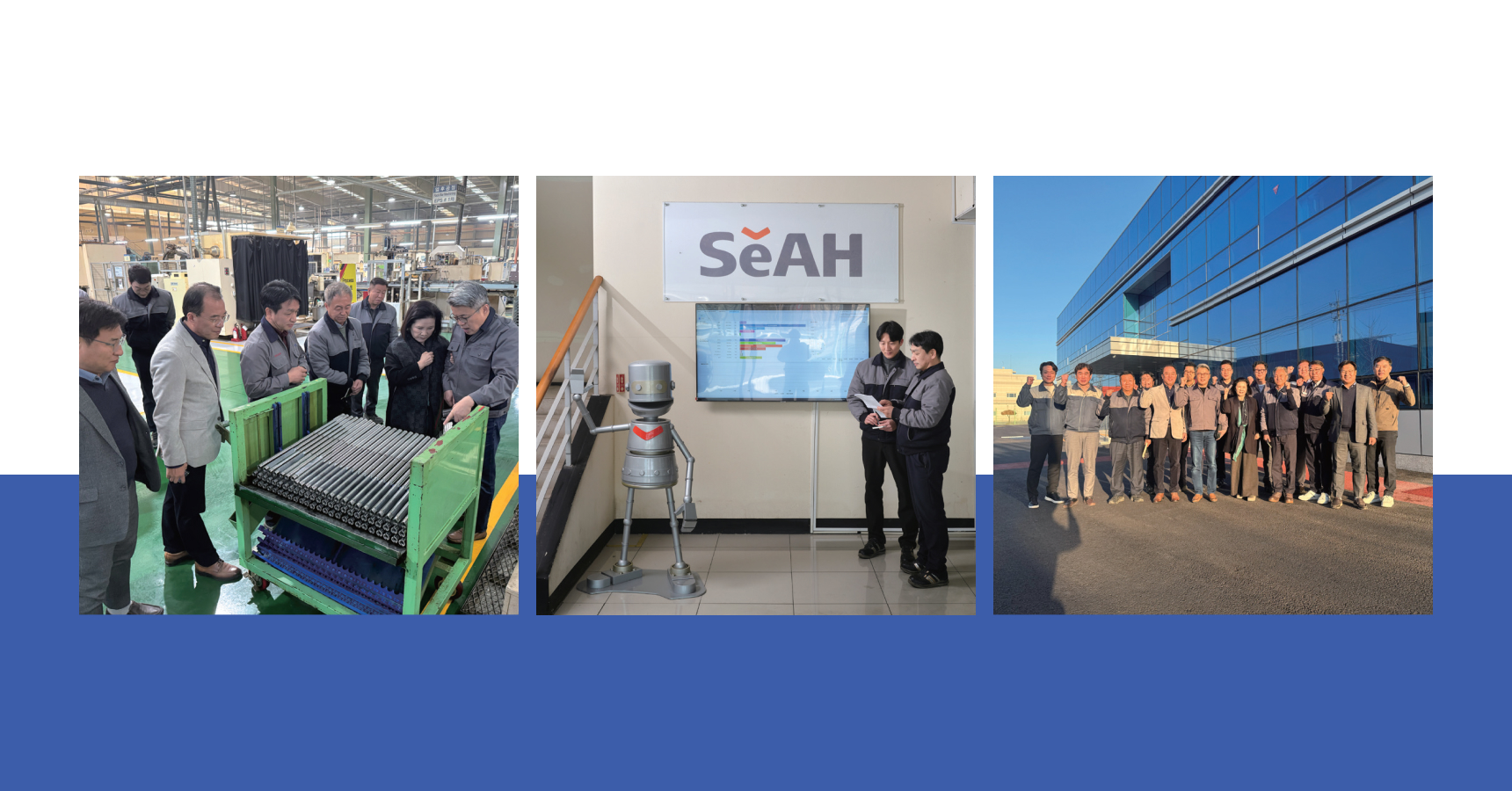
SeAH Special Steel's Wonju Plant at the Starting Line of Transformation
SeAH Special Steel's Wonju Plant is evolving from making standalone parts to producing high-value assembled components. At this pivotal juncture, where expectations and responsibility coexist, the AT Business Division is concentrating its capabilities on the early stabilization of its RBNA business, a new growth driver, and on establishing it as a core business pillar of SeAH Special Steel. The expansion of Wonju Plant 2 serves as a strategic foundation toward achieving this objective. Through this expansion, SeAH Special Steel's Wonju Plant is preparing to take a leap forward as a central production hub for high value-added steering components that will lead the future mobility era.
-
04036SeAH Tower, 45, Yanghwa-ro, Mapo-gu, Seoul,
Republic of Korea