
-
SeAH Newsroom 2
SeAH Besteel Holdings Embarks on Bold R&D Investment to Secure Technological Sovereignty in Special Metal Materials for Aerospace and Defense
SeAH Besteel Holdings Embarks on Bold R&D Investment to Secure Technological Sovereignty in Special Metal Materials for Aerospace and Defense
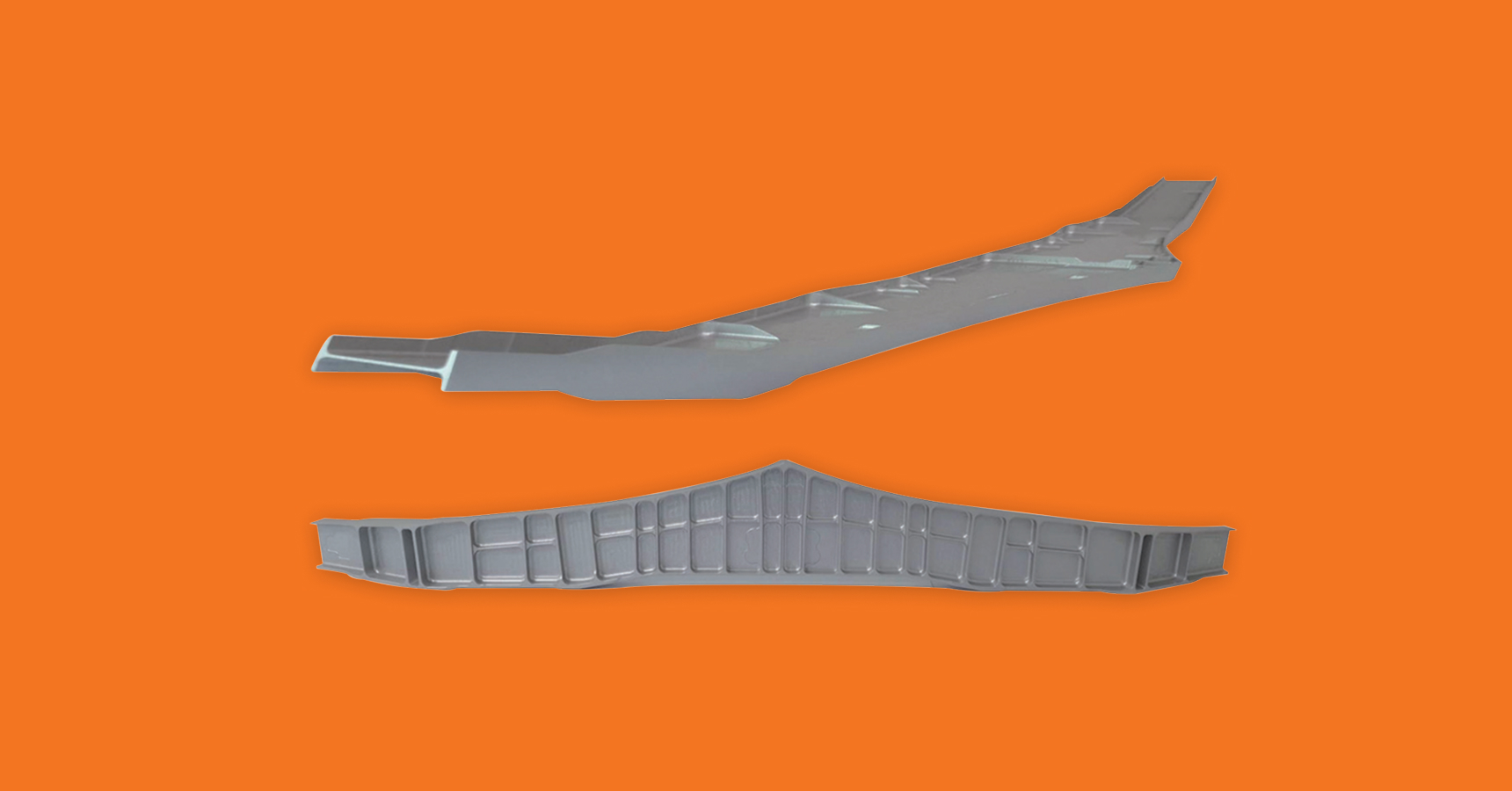
The advancement of the aerospace and defense industries goes beyond technological capabilities—it cannot be achieved without material innovation. From jet engines to space launch vehicles and advanced weapon systems, every core component must endure temperatures exceeding 1,600°C and extreme pressure, while still allowing precise machine processing.
Until now, Korea has relied entirely on imports from countries such as the United States, Japan, and Europe for these special metal materials. For instance, the KF-21 fighter jet engine depends completely on imported materials, and the localization rate for related components remains below 40%. Such structural limitations could immediately evolve into a national security crisis during a supply chain disruption.
In response, SeAH Besteel Holdings has taken the initiative to secure “material sovereignty.” By leveraging its technological expertise, the company is accelerating the development of special alloys, stainless steel, and aluminum materials—driving fundamental transformation across Korea’s aerospace and defense industry ecosystem.
SeAH Achieves Localization of Superalloys, Making the Impossible Possible
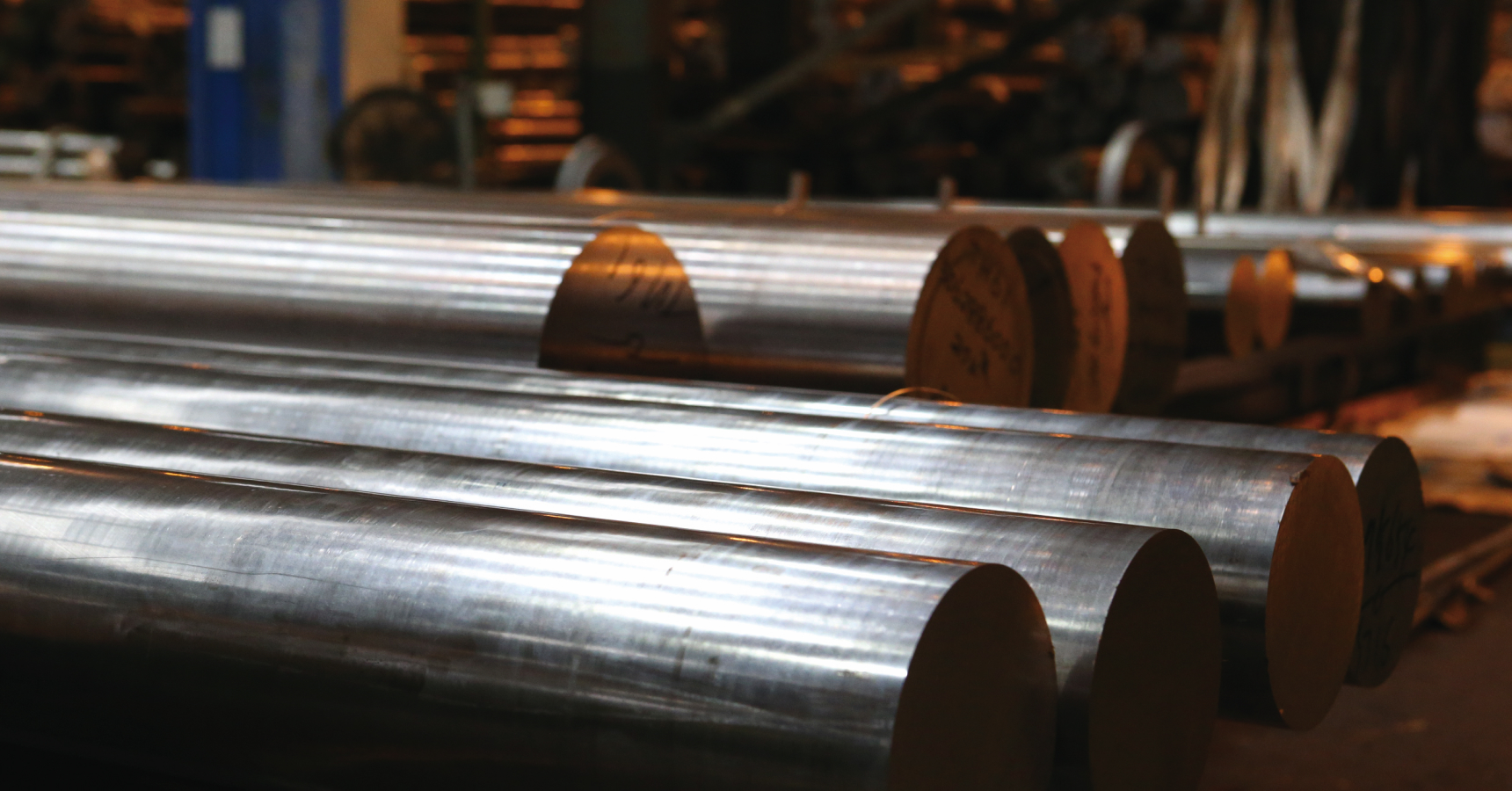
SeAH CSS has recently secured the technology to produce superalloys that retain their shape and metallurgical properties even at temperatures of 1,650°C. Superalloys, primarily composed of nickel and cobalt, are used in parts such as aircraft and space engines, and power-generation gas turbines that must withstand extreme temperatures and pressure. Jet engine and gas turbine inlet temperatures reach approximately 1,650°C, yet the newly developed superalloy maintains both its shape and metallurgical properties even under such extreme conditions.
In January this year, SeAH CSS completed the development of 1,650°C-grade superalloy technology for power turbine disk materials with Doosan Enerbility, and simultaneously succeeded in developing superalloy materials for commercial aircraft engine parts in collaboration with Hanwha Aerospace. This achievement stems from a national project led by the Ministry of Trade, Industry, and Energy, marking the result of four years of continuous research following Japan’s material export restrictions.
The company also completed prototype production of retainer materials used in turbine engines, successfully supplying them to Hanwha Aerospace. These superalloys maintain durability even above 900°C, marking a historic milestone in the localization of a material that was previously entirely dependent on imports.
Furthermore, SeAH CSS is working to advance “technology for producing alloy master materials for precision single-crystal casting”, which aligns the metal crystals in one direction.
This technology enables materials to maintain exceptional strength under stress and load in environments exceeding 1,700°C, positioning it as a key foundation for next-generation defense technologies such as advanced fighter jet engines.
SeAH Besteel Holdings is broadening its global footprint in special alloy production. Last year, the company invested approximately 213 billion KRW to establish SeAH Superalloy Technologies (SST), a special alloy manufacturing subsidiary, which is now building a plant in Texas, USA. Slated for full operation in the second half of 2026, the plant will serve as a strategic base targeting the North American market, which accounts for about 40% of global demand for special alloys.
Expanding the Special Metal Portfolio to Stainless Steel and Aluminum
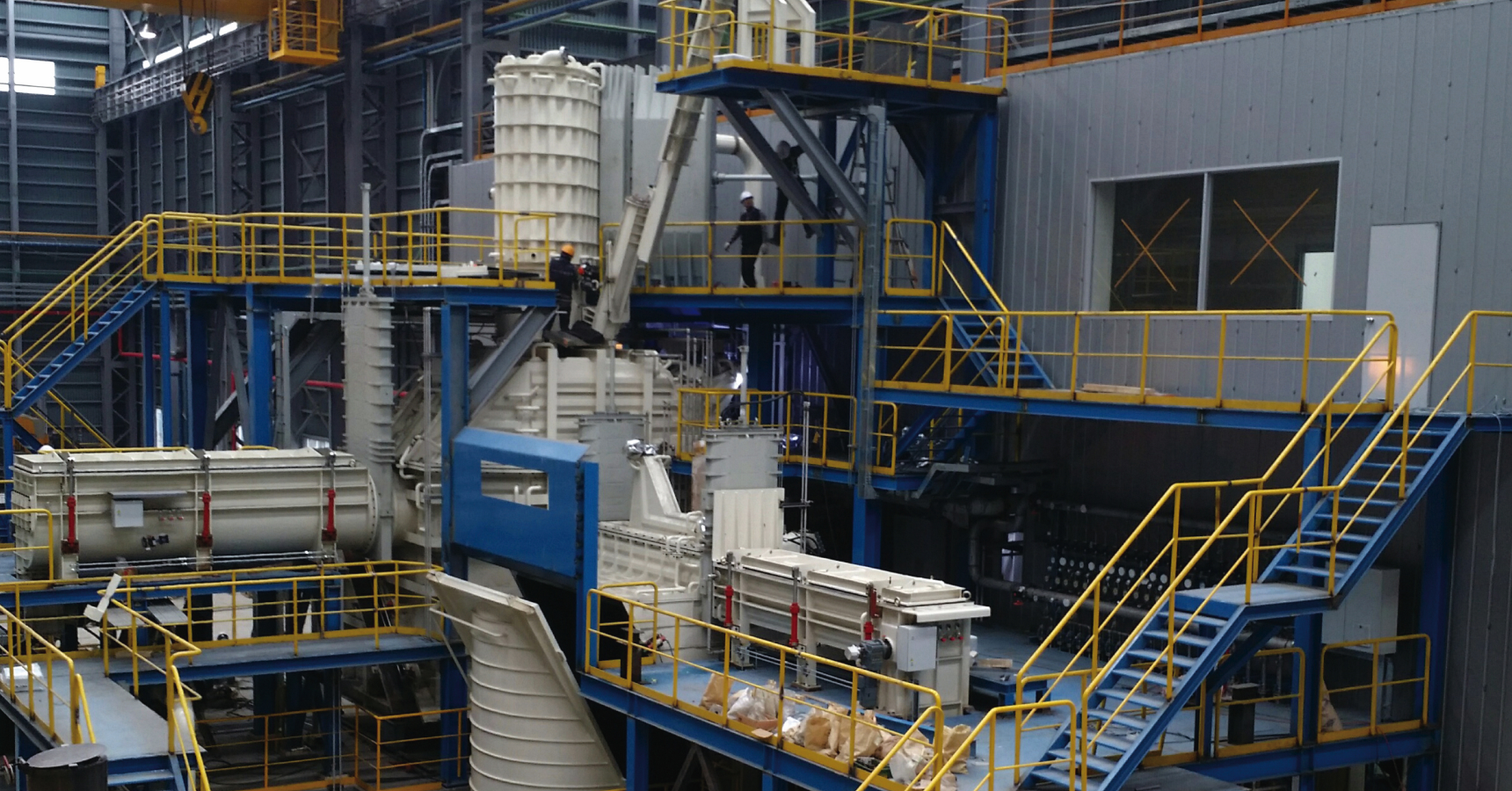
Beyond superalloys, SeAH Besteel Holdings is expanding its technological base by supplying stainless steel and aluminum materials to the aerospace and defense industries.
In 2023, SeAH Aerospace & Defense became the first Korean company to be selected as a Tier 1 supplier of aerospace-grade aluminum extrusion materials for Boeing. Through this partnership, the company signed a two-year supply agreement worth 25 billion KRW to deliver high-performance aluminum materials for aircraft applications.
Meanwhile, SeAH CSS supplies high-strength stainless steel materials for gas turbine blades to Doosan Enerbility. As the gas turbine market continues to expand, demand for high-strength stainless steel material has surged, with SeAH CSS’s annual supply increasing nearly threefold from 76 tons in 2020 to 214 tons this year.
The synergy between the two SeAH subsidiaries is also becoming tangible. By combining SeAH Aerospace & Defense’s high-strength aluminum with SeAH CSS’s forging technology, the companies jointly developed Korea’s first prototype for a commercial aircraft wing structure component in collaboration with Korea Aerospace Industries (KAI). Building on this technological foundation, SeAH began supplying forged wing spars for the G280 jet to Israel Aerospace Industries (IAI) in 2023, and localized AL7136 aluminum extrusion materials in 2024, initiating deliveries to the Brazilian aircraft manufacturer EMBRAER.
R&D Investment and Vision for Localization of Special Metal Materials
Over the past three years, SeAH Besteel Holdings has continuously expanded its R&D investments to advance the development of special metal materials. The company increased its overall R&D investment by approximately 73% during the past two years, with SeAH CSS expanding its budget from 18.4 billion KRW to 32.6 billion KRW. Focusing on high-performance special alloy development, SeAH is proactively expanding beyond its traditional automotive and energy sectors into the aerospace and defense markets.
According to global market research, the aerospace materials market is projected to grow from 34.3 billion USD (approximately 48 trillion KRW) in 2023 to 72.8 billion USD (approximately 101 trillion KRW) by 2032. The defense materials market is also rapidly expanding as nations increase defense spending and adopt next-generation weapon systems.
At this critical juncture, SeAH Besteel Holdings’ initiative transcends the scope of a single corporate endeavor. It represents a national effort to secure material sovereignty in aerospace and defense, positioning Korea to lead amid the global industrial paradigm shift. And SeAH is at the forefront of that journey.
-
04036SeAH Tower, 45, Yanghwa-ro, Mapo-gu, Seoul,
Republic of Korea